











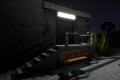

Melancholianna is a narrative-driven game that focuses on exploration, observation, and internal dialogue rather than direct challenges or combat. The player follows a central character through a sequence of locations that reflect personal thoughts, memories, and emotional states. Progress is not measured by scores or levels but by understanding the environment and its symbolic meaning. The game structure encourages slow interaction, allowing players to absorb details and interpret events at their own pace.



Melancholianna
Advertisement
Advertisement


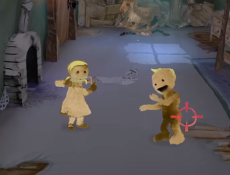




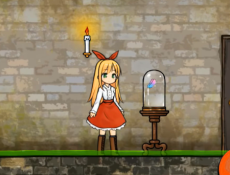
Melancholianna is a narrative-driven game that focuses on exploration, observation, and internal dialogue rather than direct challenges or combat. The player follows a central character through a sequence of locations that reflect personal thoughts, memories, and emotional states. Progress is not measured by scores or levels but by understanding the environment and its symbolic meaning. The game structure encourages slow interaction, allowing players to absorb details and interpret events at their own pace.
Narrative Structure And Player Perspective
The story of Melancholianna unfolds through fragmented scenes rather than a linear plot. Players are not given clear objectives or explicit explanations. Instead, meaning is conveyed through surroundings, short interactions, and changes in atmosphere. The absence of traditional guidance places responsibility on the player to connect elements and form their own interpretation. This approach allows the narrative to remain open-ended and personal, depending on how the player engages with the experience.
Environment And Interaction Design
Interaction in Melancholianna is minimal and deliberate. The player moves through spaces that feel isolated and controlled, where each object or sound may carry narrative weight. Actions are simple, often limited to movement and basic interaction, which keeps attention focused on context rather than mechanics. Visual composition and pacing play a key role in guiding the player forward without direct instruction.
At the center of the game are several design elements that define how the experience unfolds:
- Exploration based on observation rather than tasks
- Limited interaction to reduce mechanical distraction
- Environmental storytelling through space and layout
- Slow pacing that encourages reflection
- Narrative progression without explicit goals
Themes And Emotional Framework
The themes explored in Melancholianna relate to inner states rather than external conflict. The game does not attempt to resolve these themes directly but presents them as ongoing conditions. Players may encounter repeated motifs or locations that change subtly over time, suggesting shifts in perception. This structure supports a reflective experience where interpretation matters more than completion.
The presentation avoids complex systems or layered mechanics. There are no upgrade paths, skill trees, or branching dialogue systems. This simplicity allows players to focus entirely on the unfolding experience. Sound design and visual transitions often signal progression, replacing traditional markers like checkpoints or objectives.
Melancholianna is designed for players who prefer interpretation over instruction. The game offers a contained experience that can be completed in a short time but may leave lasting impressions due to its structure and presentation. By limiting interaction and emphasizing atmosphere, it creates space for personal reflection. Each player may come away with a different understanding, shaped by how they interpret the environments and moments presented throughout the game.
Comments (0)


2026
