







Minecraft Education is an educational version of the sandbox game designed for use in schools and structured learning environments. It provides a shared digital space where students can explore concepts through building, experimentation, and collaboration. The game preserves core mechanics such as block placement, crafting, and exploration, but adapts them to support lesson-based activities. Progress is not defined by survival or competition, but by completing tasks aligned with learning objectives set by teachers.


Minecraft Education
Advertisement
Advertisement
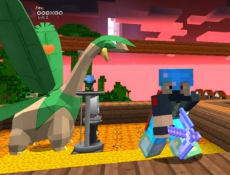
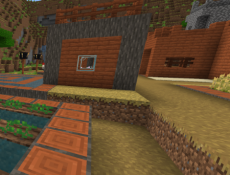
Minecraft Education is an educational version of the sandbox game designed for use in schools and structured learning environments. It provides a shared digital space where students can explore concepts through building, experimentation, and collaboration. The game preserves core mechanics such as block placement, crafting, and exploration, but adapts them to support lesson-based activities. Progress is not defined by survival or competition, but by completing tasks aligned with learning objectives set by teachers.
Learning Structure And Classroom Use
In Minecraft Education, worlds are often created with specific goals related to subjects such as mathematics, science, history, or language studies. Teachers can control settings, define boundaries, and guide students through prepared scenarios. Lessons may involve recreating historical locations, modeling scientific processes, or solving logic-based challenges using in-game tools. The structure allows educators to adapt the same environment for different age groups and skill levels.
Tools And Interactive Systems
The game includes features not found in the standard version, such as a camera, portfolio system, and non-player characters that deliver instructions or information. Coding tools are also integrated, allowing students to learn basic programming concepts by controlling actions through visual blocks or text-based scripts. These systems are designed to support exploration while keeping activities aligned with lesson plans.
Common classroom activities in Minecraft Education include:
- Building models to represent academic concepts
- Completing guided challenges created by teachers
- Collaborating in shared worlds with classmates
- Using coding tools to automate in-game actions
- Documenting progress through screenshots and notes
These activities connect gameplay with structured learning outcomes.
Collaboration And Communication
Multiplayer functionality is a central component of Minecraft Education. Students can work together in real time, sharing tasks and coordinating builds. Communication tools allow interaction within the game environment, encouraging teamwork and problem solving. Teachers can observe activity, provide guidance, and intervene when necessary, maintaining oversight without interrupting the flow of the lesson.
Comments (0)


2026
