













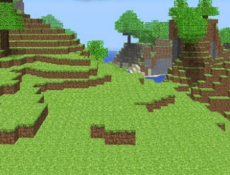
Minecraft Old Versions refers to earlier releases of the game that were available before major mechanical, graphical, and systemic changes were introduced. These versions include classic, alpha, beta, and early release builds that shaped the foundation of the game. Players can access these versions to experience gameplay mechanics as they existed at specific points in development. This allows for comparison between modern systems and earlier design decisions, as well as preservation of legacy mechanics that are no longer present in current updates.



Minecraft Old Versions
Advertisement
Advertisement







Minecraft Old Versions refers to earlier releases of the game that were available before major mechanical, graphical, and systemic changes were introduced. These versions include classic, alpha, beta, and early release builds that shaped the foundation of the game. Players can access these versions to experience gameplay mechanics as they existed at specific points in development. This allows for comparison between modern systems and earlier design decisions, as well as preservation of legacy mechanics that are no longer present in current updates.
Historical Development and Version Stages
The development of Minecraft progressed through several distinct stages, each defining a group of old versions. Classic versions focused on basic building with limited blocks and no survival elements. Alpha introduced survival mechanics such as health, hostile mobs, and crafting. Beta expanded world generation, added more blocks, and refined systems like combat and farming. Early release versions continued to stabilize the game but still differed significantly from later updates in terms of balance, content depth, and technical behavior. Each stage reflects a different development priority and level of complexity.
Gameplay Differences and Mechanics
Gameplay in Minecraft Old Versions differs noticeably from modern editions. Systems such as combat, redstone behavior, world generation, and inventory management were simpler and often less consistent. Many mechanics worked differently or had unintended behaviors that players learned to use creatively. Because of this, older versions often required alternative strategies for survival and building. The absence of later quality-of-life features also meant that players relied more on manual processes and experimentation.
Common differences found in old versions include:
- Limited block and item variety
- Simpler mob AI and combat rules
- Different world generation algorithms
- Reduced automation and redstone options
These characteristics create a distinct play experience that contrasts with current versions.
Technical Access and Compatibility
Accessing Minecraft Old Versions is typically done through official launchers that allow version selection. However, older builds may have compatibility issues with modern operating systems or hardware. Performance behavior can differ, and certain bugs present in early versions were never fixed because they were later removed entirely. Players often need to adjust settings or use specific launch configurations to ensure stability when running legacy versions.
Use Cases and Player Interest
Players return to Minecraft Old Versions for several reasons, including nostalgia, technical research, and challenge-based gameplay. Some creators use old versions to recreate historical builds or demonstrate how mechanics evolved over time. Others prefer the reduced complexity and slower progression found in earlier releases. These versions are also relevant for educational analysis of game development, as they show how systems were iterated and refined.
Comments (0)


2026
