










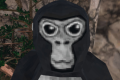
Mono Trepador is a climbing game in which the player controls a monkey attempting to scale a long vertical route made of natural and unstable structures. The climb is presented as a continuous upward journey where falling from higher areas may return the player to earlier sections. The goal is to reach the uppermost point by understanding how different surfaces behave and by reacting to obstacles placed throughout the climb. The challenge comes from the precision required to maintain steady progress.



Mono Trepador
Advertisement

Advertisement










Mono Trepador is a climbing game in which the player controls a monkey attempting to scale a long vertical route made of natural and unstable structures. The climb is presented as a continuous upward journey where falling from higher areas may return the player to earlier sections. The goal is to reach the uppermost point by understanding how different surfaces behave and by reacting to obstacles placed throughout the climb. The challenge comes from the precision required to maintain steady progress.
Structure Of The Climb And Environmental Layout
The game divides the tall structure into segments with different characteristics. Early zones contain reliable platforms that help the player become familiar with jumping height, landing behavior, and grip limits. Higher segments introduce narrow footholds, moving branches, and surfaces that collapse under weight. The layout demands careful observation, as some platforms require approaching from a specific angle. The entire structure functions as a layered obstacle course in which each new section tests a different aspect of timing or spatial awareness.
Movement Patterns And Player Tasks
Success in Mono Trepador comes from performing a variety of actions consistently. During gameplay, the player may need to:
- adjust jump strength depending on distance;
- cling to surfaces that allow only short grip duration;
- use swinging objects to cross wide gaps;
- avoid environmental hazards such as loose stones;
- reposition the monkey midair to stabilize landings.
These actions shape the rhythm of climbing. Some jumps require precision, while others depend on reading movement patterns before committing to a leap.
Obstacles, Variations, And Strategic Choices
As the climb progresses, the environment changes enough to require different strategies. Certain platforms deteriorate after landing, forcing quick movement to safer areas. Some zones allow multiple routes, with side paths offering easier jumps but longer travel distances. Players may choose between steady progress through safer sections or riskier but faster shortcuts. Because obstacles often behave dynamically, players must respond to shifting elements rather than relying solely on memorization.
Progression, Setbacks, And Replay Value
Mono Trepador encourages repeated attempts by mixing predictable elements with variable timing challenges. Falling from higher sections can lead to significant loss of progress, prompting players to refine their approach and improve consistency. Over time, players learn which platforms can be trusted and which jumps require more caution. Once the climb is completed, many attempt to reach the top again using alternate paths or faster strategies. This cycle of improvement, route optimization, and gradual mastery provides long-term replay value.
Comments (0)


2026
