











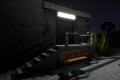
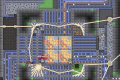

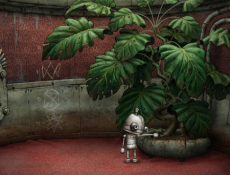
MOTAS – Mystery Of Time And Space is a point-and-click adventure focused on exploration and logic-based progression. The game places the player inside an unfamiliar environment filled with doors, mechanisms, and hidden paths. There is no direct guidance or tutorial, which encourages careful observation from the very beginning. Progress depends on understanding how different elements of the environment connect to each other rather than reacting quickly or solving timed challenges. The structure promotes slow exploration and attention to detail.



MOTAS – Mystery Of Time And Space
Advertisement

Advertisement






Exploration Driven Design
The main feature of MOTAS – Mystery Of Time And Space is its reliance on exploration. Each area contains visual clues that hint at possible interactions, but nothing is explained directly. The player must move between locations, examine objects, and remember patterns in order to advance. The environment itself functions as a puzzle, where doors, symbols, and hidden switches form a connected system. Movement is simple, but progression requires patience and logical thinking rather than trial-and-error speed.
Interaction and Puzzle Logic
Interaction in the game is built around observation and experimentation. Players click on objects to inspect them or trigger changes in the environment. Some actions affect future areas, which means that earlier decisions can influence later progress. The game rarely gives feedback in the form of text or indicators, so understanding comes from noticing visual changes and remembering previous discoveries.
Core gameplay actions include:
- exploring interconnected rooms
- interacting with objects to reveal hidden mechanics
- identifying visual patterns and symbols
- using logic to unlock new areas
These mechanics encourage careful thinking and reward players who take time to analyze their surroundings instead of rushing forward.
The visual presentation of MOTAS – Mystery Of Time And Space is minimal and functional. The environments are designed to communicate information rather than impress visually. Colors, shapes, and layout play an important role in guiding the player’s attention. Animations are limited but purposeful, highlighting changes in the environment after successful interactions. Sound is used sparingly, allowing silence to reinforce focus and concentration during exploration.
Comments (0)


2026
