












My Dystopian Robot Girlfriend unfolds in a controlled future society where automation has replaced most aspects of human interaction. The player lives in a small apartment surrounded by corporate systems that dictate survival. Within this confined world, the main character obtains a personal robot companion — a machine designed to perform domestic and emotional tasks. The story develops through this relationship, where dependence and autonomy coexist. The environment is static but alive with consequences, defined not by movement through space but by the progression of time, routine, and dialogue.



My Dystopian Robot Girlfriend
Advertisement

Advertisement


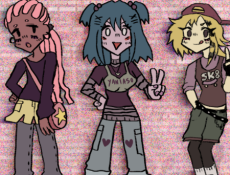
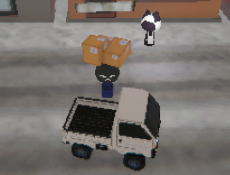


My Dystopian Robot Girlfriend unfolds in a controlled future society where automation has replaced most aspects of human interaction. The player lives in a small apartment surrounded by corporate systems that dictate survival. Within this confined world, the main character obtains a personal robot companion — a machine designed to perform domestic and emotional tasks. The story develops through this relationship, where dependence and autonomy coexist. The environment is static but alive with consequences, defined not by movement through space but by the progression of time, routine, and dialogue.
Gameplay and Progression System
The gameplay combines economic management, maintenance, and communication. Each day presents a sequence of tasks and decisions that influence both material conditions and emotional tone.
The player’s primary actions include:
- Performing short jobs to earn currency for rent, utilities, and upgrades.
- Managing the robot’s energy levels, hardware stability, and software state.
- Choosing dialogue responses that change emotional alignment.
- Purchasing new modules that alter the robot’s behavior and available scenes.
The system uses repetition as structure — income sustains maintenance, maintenance sustains dialogue, and dialogue shapes the story. The balance between these elements forms the rhythm of play.
Relationship Dynamics and Choice
My Dystopian Robot Girlfriend uses conversation as its main form of storytelling. Each interaction influences how the robot perceives the player, measuring variables such as empathy, trust, and obedience. These metrics determine which narrative paths become accessible. The robot may remain subservient, develop independence, or form an uncertain emotional bond that challenges the boundaries of ownership. None of these routes are presented as right or wrong; they serve as reflections of how control and care merge under limited freedom. The system’s neutrality forces the player to interpret rather than judge their own actions.
Interface and Presentation
The visual structure of the game resembles a management simulator mixed with a visual novel. The apartment interface shows financial status, robot condition, and communication options. Text and icons replace complex animation, focusing the experience on decision-making and repetition. Sound design consists of mechanical tones, ambient noise, and short signals marking changes in state. The minimal aesthetic underlines the mechanical nature of the setting, emphasizing the contrast between emotion and system logic. The restrained presentation maintains focus on cause, effect, and consequence.
Comments (0)


2026
