









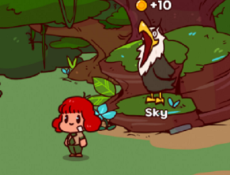
My Voice Zoo is a management game that connects player input directly to in-game behavior through sound. Instead of assigning animals predefined audio, the game asks the player to supply their own voice recordings, which then become the sounds animals use inside the zoo. This creates a system where progression and atmosphere are shaped by personal input rather than fixed content, making each zoo function differently.



My Voice Zoo
Advertisement
Advertisement







My Voice Zoo is a management game that connects player input directly to in-game behavior through sound. Instead of assigning animals predefined audio, the game asks the player to supply their own voice recordings, which then become the sounds animals use inside the zoo. This creates a system where progression and atmosphere are shaped by personal input rather than fixed content, making each zoo function differently.
Sound-Based Interaction Model
The main mechanic centers on recording audio through a microphone and linking those recordings to animals. Once assigned, these sounds are replayed during normal gameplay as animals react, idle, or interact with the environment. The game does not restrict what can be recorded, so players are free to experiment without needing to imitate real animal noises. The recording system is integrated directly into progression, meaning sound is not cosmetic but functional.
Management Systems And Growth
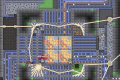
Alongside audio interaction, My Voice Zoo follows a structured management loop. Players unlock animals gradually and place them into designated spaces within the zoo. Each animal contributes to resource generation, and expansion depends on maintaining a steady balance between space, income, and sound activity. Layout planning becomes increasingly important as more animals are added and available space becomes limited.
Common gameplay actions include:
- recording new sounds for animals
- assigning audio to specific species
- arranging enclosures within limited space
- unlocking additional animals over time
- reinvesting generated resources into expansion
Passive Progress And Player Timing
The game uses idle mechanics that allow the zoo to continue generating resources without constant input. Animals trigger their assigned sounds automatically, which feeds into the economy system. This design supports short sessions, where players can check progress, make adjustments, and leave without disrupting long-term growth.
Interface And Control Simplicity
Controls are minimal and designed for quick interaction. Recording, placement, and upgrades are handled through clear menus with few layers. The game avoids complex management systems, keeping focus on experimentation and observation. Mistakes are easily reversible, encouraging players to try different approaches without penalty.
Personalization And Long-Term Engagement
Long-term engagement comes from customization rather than difficulty. Players can revisit older animals to replace sounds, redesign the zoo layout, or change how the environment behaves acoustically. Because recordings are tied to the player’s voice, repetition rarely feels identical. Each adjustment alters how the zoo sounds and functions.
Comments (0)


2026
