










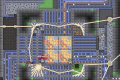
MyVoiceZoo is a zoo management simulation that integrates microphone input into its operational systems. The game revolves around building a digital environment, introducing animals, and sustaining long-term growth through automated resource generation. Its core distinction lies in the use of player-recorded audio, which replaces standard animal sound effects.



MyVoiceZoo
Advertisement

Advertisement



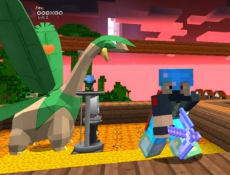


Simulation Foundation
The structural mechanics of MyVoiceZoo align with incremental management design. Players begin with a small zoo footprint and a restricted set of animals. Over time, passive income generated by creature activity enables expansion, unlocking new species and increasing spatial capacity.
The gameplay flow is continuous and system-driven. Progress is achieved through resource allocation rather than task completion or time-based challenges. This framework supports extended play without imposing failure conditions.
Role of Voice Input
Audio recording functions as a gameplay requirement rather than a decorative feature. Each animal is linked to a voice clip captured by the player. These recordings are stored and activated during automated behavior cycles, forming part of the interaction feedback.
This mechanic produces session-specific variation. Even when players follow identical expansion paths, the resulting zoo environments differ because sound output is determined by user recordings. The variability originates from player input instead of randomized systems.
Key effects of this design include:
- Personalized audio feedback
- Consistent behavioral mechanics
- Variable sound environments
- Repeated interaction through recording
Voice input becomes an integral part of progression rather than a one-time setup step.
Growth and Unlocking Systems
Progression in MyVoiceZoo is based on steady currency accumulation. Animals generate income automatically, allowing players to unlock new creatures and expand available zones. Recording sounds for newly acquired animals reinforces engagement with the audio mechanic.
The absence of rigid objectives enables flexible pacing. Players may focus on expanding the zoo, refining layout efficiency, or updating recordings without disrupting system stability.
Interaction Model
MyVoiceZoo combines visual management with audio-driven customization. Traditional simulation decisions — such as placement strategy and resource investment — remain central. Voice recording introduces an additional layer of control that shapes environmental feedback without modifying structural rules.
Comments (0)


2026
