










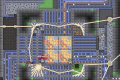
Pac-Man Analog Horror is a fan-made reinterpretation that transforms a classic arcade structure into a fragmented horror concept. Instead of focusing on score, speed, or mastery of mechanics, these projects present the maze as an unstable system. Familiar elements such as corridors, pursuers, and looping movement remain visible, but their behavior no longer follows expected rules. The experience is usually presented as corrupted footage, altered simulations, or fictional archives rather than a complete playable game.



Pac-Man Analog Horror
Advertisement
Advertisement



Pac-Man Analog Horror is a fan-made reinterpretation that transforms a classic arcade structure into a fragmented horror concept. Instead of focusing on score, speed, or mastery of mechanics, these projects present the maze as an unstable system. Familiar elements such as corridors, pursuers, and looping movement remain visible, but their behavior no longer follows expected rules. The experience is usually presented as corrupted footage, altered simulations, or fictional archives rather than a complete playable game.
Source Material and Creative Direction
The core idea behind Pac-Man Analog Horror is the reuse of a widely recognized game format as a narrative framework. Creators rely on the audience’s prior knowledge of the original arcade design and then deliberately disrupt it. Visual presentation often imitates outdated media formats, suggesting that the material comes from damaged recordings or unauthorized copies. This approach shifts attention away from gameplay mechanics and toward the implications of what happens when a familiar system stops functioning as intended.
Narrative Form and Interpretation
Narrative in Pac-Man Analog Horror is usually indirect and incomplete. There is rarely a defined storyline or clear explanation of events. Instead, meaning is implied through repetition, distortion, and absence of normal feedback. Viewers or players are expected to interpret changes in behavior, layout, or audiovisual cues on their own. The maze becomes less of a game space and more of a setting where something has already gone wrong, with no indication of how or when it began.
Recurring Design Elements
Many Pac-Man Analog Horror projects share a common set of design choices that distinguish them from standard arcade adaptations:
- Maze layouts that change or contradict expected paths
- Visual noise resembling signal interference or data loss
- Audio derived from original effects but slowed or fragmented
- System messages that imply malfunction or prior incidents
- Endless loops without a clear end condition
These elements work together to remove a sense of control and predictability.
Formats and Community Use
Pac-Man Analog Horror appears in several formats, most commonly short videos, experimental interactive builds, or fictional documentation. Videos often simulate captured gameplay or test footage, while interactive versions limit player input and remove traditional objectives. Distribution takes place mainly through online platforms where creators share interpretations and variations rather than finished products. Community discussion focuses on decoding symbols, messages, and inconsistencies rather than completion or skill.
Comments (0)


2026
