









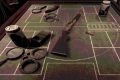
Play Things is an investigative horror game built around object analysis rather than movement or combat. The player takes the role of an examiner tasked with evaluating dolls one by one inside a controlled environment. Each session follows a structured routine in which the player observes, tests, and records results before making a final judgment. The game avoids traditional progression systems and instead relies on repetition and attention to detail to move the experience forward.



Play Things
Advertisement
Advertisement
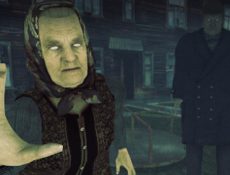
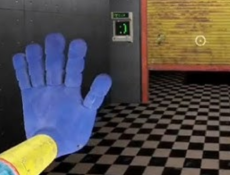



Play Things is an investigative horror game built around object analysis rather than movement or combat. The player takes the role of an examiner tasked with evaluating dolls one by one inside a controlled environment. Each session follows a structured routine in which the player observes, tests, and records results before making a final judgment. The game avoids traditional progression systems and instead relies on repetition and attention to detail to move the experience forward.
Core Examination Loop
The gameplay of Play Things is organized around a clear and repeatable loop. After initiating a new examination, the player receives a doll along with a form used to document findings. Interaction is deliberate and slow, requiring the player to focus on the doll as an object rather than as a character. There is no pressure from timers or enemies, but uncertainty plays a central role, as not every result is immediately clear or conclusive.
Testing Procedures and Interaction Rules
Most of the player’s time is spent performing standardized tests designed to reveal inconsistencies. These tests are applied to every doll and must be interpreted carefully rather than taken at face value. In the middle of the game flow, the player typically performs the following actions:
- Calling the doll by name and observing reactions
- Recording audio output for irregular responses
- Taking photographs to check visual changes
- Measuring temperature for abnormal readings
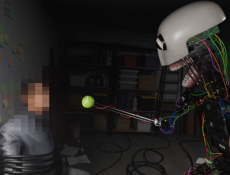
- Applying physical stimuli to detect hidden behavior
The results of these procedures are logged manually, reinforcing the investigative nature of the experience.
Decision-Making and Outcomes
Play Things does not track progress using scores or levels. Advancement comes from completing examinations and making classification decisions. Each choice contributes to the overall outcome of the session, and incorrect interpretation can lead to different conclusions. The game encourages careful consideration, as information may appear contradictory or incomplete, requiring the player to rely on patterns rather than single results.
Atmosphere and Presentation
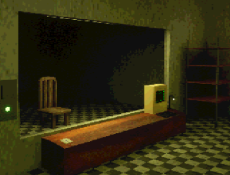
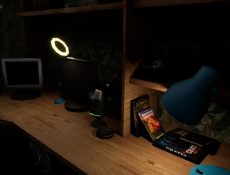
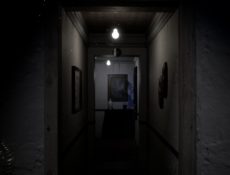
The environment in Play Things is minimal and functional, designed to reduce distraction. Sound design and lighting support a controlled sense of tension without relying on sudden changes. Repetition plays an important role, as familiarity with the process increases awareness of small deviations. This design reinforces the idea that danger, if present, is subtle rather than obvious.
Play Things functions as a procedural horror experience centered on routine and analysis. The game emphasizes observation, documentation, and judgment instead of reflexes or strategy. Its structure supports multiple playthroughs, as different decisions can lead to different interpretations of the same information. By focusing on examination rather than action, the game creates a consistent framework where uncertainty is driven by process and player responsibility rather than direct confrontation.
Comments (0)


2026
