









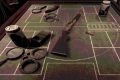
Playthings is a procedural horror game that places the player in charge of inspecting toys inside a restricted facility. The experience is built around routine rather than movement, with the player remaining at a single workstation throughout the entire session. Toys arrive one at a time and must be evaluated according to a predefined process. The tension comes from repetition and uncertainty, as the player must determine whether each object is harmless or poses a threat based on small, often unclear indicators.



Playthings
Advertisement

Advertisement

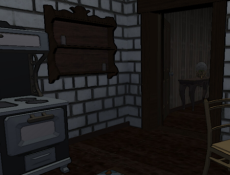

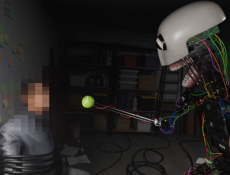
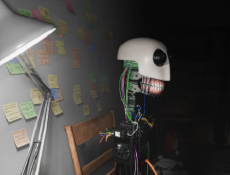


Playthings is a procedural horror game that places the player in charge of inspecting toys inside a restricted facility. The experience is built around routine rather than movement, with the player remaining at a single workstation throughout the entire session. Toys arrive one at a time and must be evaluated according to a predefined process. The tension comes from repetition and uncertainty, as the player must determine whether each object is harmless or poses a threat based on small, often unclear indicators.
Workspace Design And Player Position
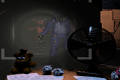
The game confines the player to a compact inspection area equipped with testing tools and documentation sheets. There is no exploration or navigation beyond this space, which shifts attention entirely to the inspection process. Every object follows the same intake procedure, reinforcing a sense of order and control. Over time, this static setup becomes deceptive, as familiarity with the environment can reduce vigilance. The lack of external distractions ensures that all pressure comes from the task itself rather than environmental hazards.
Structured Testing And Repetition
Playthings relies on a fixed sequence of tests that must be applied to every toy. These tests are simple to perform but difficult to interpret when results are ambiguous. Midway through the game, the player repeatedly carries out the same core actions:
- triggering sound responses to detect irregular behavior
- calling assigned names and observing reactions
- capturing photographs for visual comparison
- checking temperature readings for anomalies
- applying controlled physical stress
Each step must be completed and recorded before a final decision is made. The order never changes, which encourages muscle memory. This consistency is intentional, as it increases the risk of overlooking subtle deviations when fatigue sets in.
Evaluation And Decision Pressure
Once all tests are complete, the player must classify the toy. The game provides little immediate feedback, meaning the player rarely knows whether a decision was correct right away. This delay increases psychological pressure and forces reliance on notes and comparisons rather than intuition. Errors are not dramatic, but their consequences reinforce the importance of precision and consistency over speed.
Escalation Through Familiarity
Playthings does not introduce new mechanics as it progresses. Instead, difficulty increases as the player becomes more comfortable with the routine. Small inconsistencies that were once noticeable begin to blend into normal results. The challenge shifts from learning the system to maintaining attention over time. The routine itself becomes the main obstacle, as confidence slowly undermines caution.
Comments (0)


2026
