











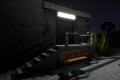
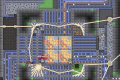

Quarantine Zone: The Last Check presents a controlled environment where the player manages entry decisions during a prolonged emergency. The setting revolves around a single checkpoint that separates a secured zone from an unstable outside area. Every interaction is structured, procedural, and limited by available tools. The game does not focus on action, but on accuracy and consistency. Progress depends on maintaining order while processing a steady flow of uncertain cases.



Quarantine Zone: The Last Check
Advertisement

Advertisement








Quarantine Zone: The Last Check presents a controlled environment where the player manages entry decisions during a prolonged emergency. The setting revolves around a single checkpoint that separates a secured zone from an unstable outside area. Every interaction is structured, procedural, and limited by available tools. The game does not focus on action, but on accuracy and consistency. Progress depends on maintaining order while processing a steady flow of uncertain cases.
Routine-Based Control And Authority
The player’s authority is defined by routine rather than power. Each day follows a similar structure, but the details change constantly. Individuals arrive with documents, symptoms, and behavioral cues that must be evaluated under time pressure. The process encourages careful observation instead of fast reactions. Since the player remains in one position throughout the game, variety comes from shifting conditions rather than new locations or mechanics.
Managing Multiple Systems At Once
As the checkpoint develops, responsibility expands beyond inspections. Internal systems begin to overlap, forcing the player to divide attention across several priorities. Midway through the experience, a typical operational cycle includes:
- verifying identity and health indicators
- applying tests with restricted availability
- assigning outcomes such as entry, isolation, or rejection
- tracking consumption of food, medicine, and power
Each system influences the others. Allowing more people increases productivity but also increases demand. Restrictive decisions reduce risk but limit growth and flexibility. The game avoids clear solutions, requiring trade-offs rather than optimal paths.
Escalation Through Accumulation
Difficulty increases through accumulation rather than sudden events. Over time, queues become longer, resources decline faster, and acceptable margins shrink. Tools that were reliable early on become insufficient later, pushing the player to refine procedures instead of relying on upgrades alone. The escalation feels procedural, reflecting strain on systems rather than direct external threats.
Comments (0)


2026
