








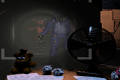


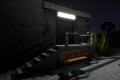
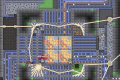
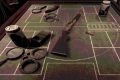
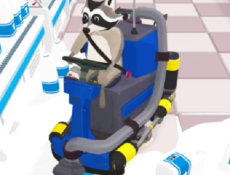
Raccoon Retail is a simulation game focused on store maintenance and movement efficiency inside a functioning supermarket. The player controls a raccoon employee whose job is to keep the shop clean while customers move through aisles and generate constant mess. There are no complex story elements or branching objectives. The experience is built around understanding space, managing time, and improving performance through repetition and smart decisions.



Raccoon Retail
Advertisement
Advertisement








Raccoon Retail is a simulation game focused on store maintenance and movement efficiency inside a functioning supermarket. The player controls a raccoon employee whose job is to keep the shop clean while customers move through aisles and generate constant mess. There are no complex story elements or branching objectives. The experience is built around understanding space, managing time, and improving performance through repetition and smart decisions.
Store Space And Player Responsibilities
The entire game takes place in a single retail environment made up of aisles, shelves, corners, and service zones. Customers move independently, which creates unpredictable obstacles and scattered trash. The raccoon operates a small cleaning vehicle and must navigate the store without getting stuck or slowed down. As the layout becomes familiar, players begin to recognize which routes save time and which areas tend to generate the most mess.
Cleaning Mechanics And Game Flow
The main gameplay loop is simple but demanding. Trash appears continuously, and the player must collect it and transport it to a dumpster before storage reaches capacity. Every action costs time, so efficiency matters more than speed alone. Timing unloads correctly is essential, since carrying too much trash reduces control. In the middle of a typical session, players repeatedly focus on several core actions:
- collecting trash from crowded aisles
- monitoring storage capacity while moving
- returning to the dumpster at efficient moments
- avoiding collisions with customers and shelves
- adjusting routes to reduce backtracking
These steps define the rhythm of play and reward planning.
Upgrades And Performance Decisions
Money earned from cleaning can be spent on upgrades that improve how the raccoon operates. These upgrades may increase movement speed, expand trash capacity, or improve handling. Choosing which upgrades to prioritize shapes the overall strategy. Investing in speed allows quicker coverage of the store, while capacity upgrades reduce the number of unloading trips. Each choice affects efficiency rather than difficulty, encouraging players to experiment with different improvement paths.
Progression Through Activity Increase
As the game continues, customer activity increases, which leads to more frequent messes. The store layout stays the same, but the pace of work intensifies. Players must react faster and plan routes more carefully to keep up. Familiarity with the environment becomes a major advantage, allowing experienced players to handle higher workload without panic or wasted movement.
Comments (0)


2026
