



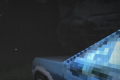




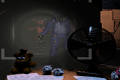

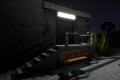
Reanimal is a survival horror adventure game developed by Tarsier Studios and published by THQ Nordic. The game is designed around exploration, stealth, and puzzle-solving within a fragmented island environment. Players control two sibling protagonists who move through interconnected locations shaped by environmental hazards and hostile creatures. The experience supports both single-player and cooperative play, allowing the narrative to unfold through character interaction and environmental progression. Rather than relying heavily on direct exposition, the game communicates much of its story through world design and situational context.



REANIMAL
Advertisement
Advertisement
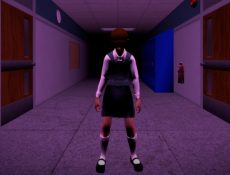

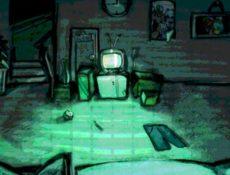
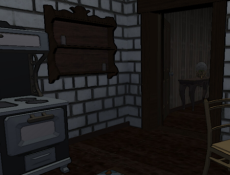

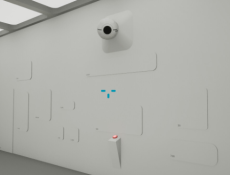
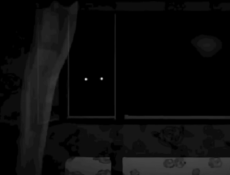
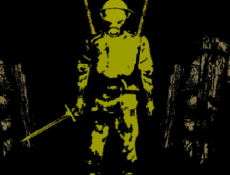

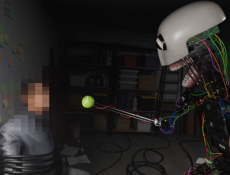
Reanimal is a survival horror adventure game developed by Tarsier Studios and published by THQ Nordic. The game is designed around exploration, stealth, and puzzle-solving within a fragmented island environment. Players control two sibling protagonists who move through interconnected locations shaped by environmental hazards and hostile creatures. The experience supports both single-player and cooperative play, allowing the narrative to unfold through character interaction and environmental progression. Rather than relying heavily on direct exposition, the game communicates much of its story through world design and situational context.
Narrative Structure And Setting
The central storyline follows two siblings navigating a transformed island after a catastrophic event has altered the surrounding world. The environment is divided into distinct regions, each functioning as a separate gameplay space with unique obstacles and threats. Story development occurs through exploration, discovery, and character movement rather than traditional dialogue sequences. The island itself acts as a narrative device, with visual details and environmental elements providing information about past events and current dangers. Progression depends on accessing new areas and understanding how environmental systems connect.
Core Gameplay Systems
Gameplay combines platforming mechanics, stealth navigation, and environmental puzzles. Players must manage movement carefully while responding to threats and solving progression barriers. Key gameplay components include:
- Traversing varied environmental zones
- Solving puzzles integrated into level design
- Avoiding or escaping hostile entities
- Coordinating character actions in co-op mode
These systems create a structured loop centered on observation, timing, and spatial awareness rather than fast-paced action sequences.
Solo And Cooperative Play
Reanimal allows players to experience the game either alone or with a second participant. In single-player mode, one sibling is controlled directly while the second character operates through AI behavior. Cooperative play is available through local or online modes, requiring players to coordinate movement and interactions. Many sequences are designed around shared problem-solving, where synchronized actions are necessary for progression. The camera system maintains visibility of both characters, ensuring clarity of positioning during navigation and puzzle-solving.
Design Focus And Conceptual Direction
The design prioritizes environmental storytelling, pacing control, and mechanical consistency. Visual presentation is structured to support navigation and situational awareness. Conceptually, the game explores themes of survival, cooperation, and adaptation within unstable surroundings. By integrating puzzle mechanics with stealth and exploration, Reanimal presents a gameplay framework where progression emerges from understanding the environment, managing risk, and coordinating character actions across interconnected spaces.
Comments (0)


2026
