










Satisbox is a casual puzzle game built around a collection of short interactive tasks designed for quick and repeatable play. Instead of offering a single continuous gameplay mode, the game presents many independent scenarios, each with a clearly defined objective. Players interact directly with objects on the screen, completing actions such as arranging, cleaning, or activating elements in the correct way. The structure is designed to minimize setup time and allow immediate engagement.



Satisbox
Advertisement

Advertisement
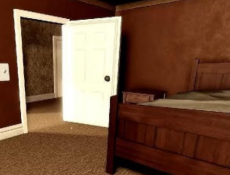
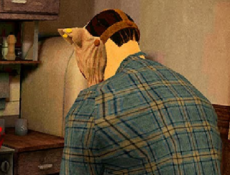






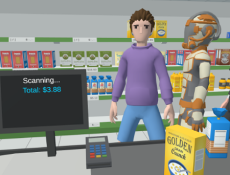
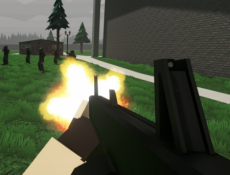
Satisbox is a casual puzzle game built around a collection of short interactive tasks designed for quick and repeatable play. Instead of offering a single continuous gameplay mode, the game presents many independent scenarios, each with a clearly defined objective. Players interact directly with objects on the screen, completing actions such as arranging, cleaning, or activating elements in the correct way. The structure is designed to minimize setup time and allow immediate engagement.
Modular Gameplay Structure
The gameplay in Satisbox is divided into separate mini-games that function as standalone challenges. Each mini-game introduces a simple problem that must be solved before moving on. There are no complex rules carried over between tasks, which allows players to approach every scenario without prior context. Once a task is completed, the game transitions directly to the next challenge, maintaining a steady flow without interruptions or menus that slow progression.
Player Interaction and Control Logic
Interaction in Satisbox is based on direct manipulation of objects using basic input methods. On desktop devices, players rely on mouse clicks, dragging, and swiping motions. On mobile devices, touch gestures perform the same functions. The controls are consistent across tasks, even though the objectives vary. This consistency allows players to focus on understanding the goal of each mini-game rather than learning new mechanics. Visual feedback confirms whether actions are correct, guiding players toward completion without explicit instructions.
At the core of gameplay, players repeatedly perform actions such as:
- Dragging items into specific positions
- Tapping objects to trigger changes
- Swiping to clear or modify elements
- Completing precision-based interactions
These actions define the entire interaction model of the game.
Objective Design and Completion Rules
Each mini-game in Satisbox has a single completion condition that must be met exactly. The game does not emphasize scoring depth or competitive ranking, but instead focuses on task completion. Some challenges require accuracy, while others depend on timing or order of actions. Failure usually results in an immediate retry, allowing players to adjust their approach without penalty. This design encourages experimentation and repeated attempts until the correct solution is found.
Progression Without Long-Term Systems
Satisbox does not include a traditional progression system such as levels, skill trees, or persistent upgrades. Progress is measured by moving through the sequence of mini-games rather than unlocking new abilities. This approach keeps sessions flexible, as players can stop and resume without losing context. The lack of long-term progression systems also makes the game suitable for short play sessions.
Comments (0)


2026
