








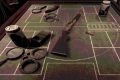
Scary Shawarma Kiosk: the ANOMALY introduces the player to a small night kiosk where routine tasks slowly transform into a sequence of unusual events. At the beginning, the player focuses on preparing shawarma, managing ingredients, and responding to customer orders. The kiosk layout is simple, but it contains several elements that must be monitored during the shift. Although everything appears predictable at first, subtle changes begin to occur, hinting that the environment is not entirely stable.



Scary Shawarma Kiosk: the ANOMALY
Advertisement
Advertisement





Scary Shawarma Kiosk: the ANOMALY introduces the player to a small night kiosk where routine tasks slowly transform into a sequence of unusual events. At the beginning, the player focuses on preparing shawarma, managing ingredients, and responding to customer orders. The kiosk layout is simple, but it contains several elements that must be monitored during the shift. Although everything appears predictable at first, subtle changes begin to occur, hinting that the environment is not entirely stable.
Rules and Shift Management
Every shift follows a list of rules that guide the player through both normal duties and irregular situations. Some rules apply to standard actions like handling the grill or organizing ingredients, while others are tied directly to anomaly detection. The player must read the instructions carefully before each shift, as even a small misunderstanding can lead to immediate failure. Over time, new conditions appear, forcing the player to adjust their routine and keep track of multiple tasks at once.
Elements the Player Must Track
Throughout the shift, the player is responsible for monitoring several key components:
- Preparing shawarma in the correct sequence
- Serving appropriate customers only
- Responding to environmental changes
- Keeping the kiosk window controlled
- Following updated rule sheets for each night
These elements blend together, shaping a workflow that requires both accuracy and awareness.
Customer Identification and Anomaly Signals
Customer behavior in Scary Shawarma Kiosk: the ANOMALY is a major part of the gameplay loop. Most customers behave normally and request food, but some show signs that do not match expected patterns. The player must notice differences in timing, posture, or movement that identify an anomaly. Ignoring these indicators can lead to a sudden end of the shift. Because anomalies appear without warning, the player must balance customer service with constant observation.
Strategy Development and Learning Curve
As players repeat shifts, they develop strategies based on timing, rule memorization, and environmental recognition. Certain actions become automatic, allowing the player to focus more on spotting irregularities. The game encourages slow mastery by providing consistent structure with shifting details. The learning curve is steady and rewards players who adapt rather than rush. Shifts become more manageable when the player understands the rhythm of normal events and can quickly identify anything unusual.
Long-Term Engagement and Community Interest
Scary Shawarma Kiosk: the ANOMALY maintains interest through its combination of repetitive tasks and unpredictable anomalies. This formula encourages players to replay shifts to improve performance, discover alternative patterns, and compare outcomes with others. The community often discusses strategies, rare customer behaviors, and unique anomaly appearances. This shared exploration keeps the game active long after the first playthrough, giving players ongoing reasons to return to the kiosk and refine their approach.
Comments (0)


2026
