




School Party Craft is a mobile sandbox game centered on exploration, interaction, and player-driven activities. The game places players inside a block-based urban environment designed as an open social space. Rather than following a predefined narrative, players are free to move across the city and engage with available systems at their own pace. Buildings, streets, and public areas function as interactive zones where different gameplay mechanics become accessible. This structure encourages experimentation and non-linear play.

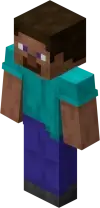

School Party Craft
Advertisement
Advertisement
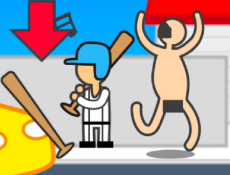
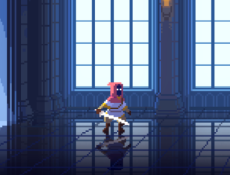
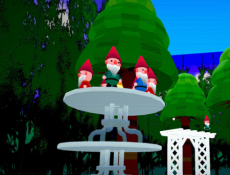
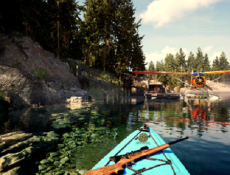
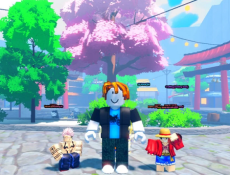


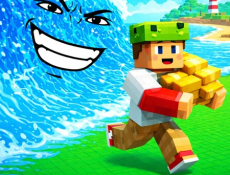
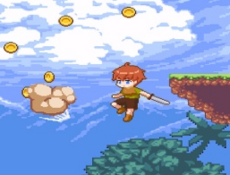
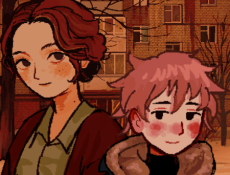
School Party Craft is a mobile sandbox game centered on exploration, interaction, and player-driven activities. The game places players inside a block-based urban environment designed as an open social space. Rather than following a predefined narrative, players are free to move across the city and engage with available systems at their own pace. Buildings, streets, and public areas function as interactive zones where different gameplay mechanics become accessible. This structure encourages experimentation and non-linear play.
City Exploration And Movement
The game world is built as a continuous city without strict progression barriers. Players can travel freely between districts, discovering locations that offer different functions. Movement is handled through walking or vehicle usage, with transport options improving navigation speed. The environment includes functional spaces such as stores, entertainment venues, residential areas, and recreational zones. Each location supports specific mechanics instead of scripted events, allowing players to choose how they interact with the world.
Exploration is not tied to mandatory objectives. Players are rewarded for discovering features, collecting items, and understanding mechanics organically. The open design supports varied playstyles, including casual roaming, focused customization, or social engagement.
Systems And Player Activities
School Party Craft integrates multiple independent systems that shape the overall experience:
- Open-world navigation
- Avatar customization
- Housing and property management
- Block-based construction
- Vehicle mechanics
- Multiplayer interaction
These systems operate simultaneously, allowing players to switch between activities without fixed sequences.
Customization And Environment Control
Character modification plays a significant role in player progression. Clothing, skins, and visual adjustments allow users to personalize their avatars. The housing system expands this customization to the environment itself. Players can acquire properties and modify interiors using blocks and furniture elements. Objects can be placed, rotated, or removed, supporting flexible design choices. This construction system functions as both a creative tool and a gameplay mechanic.
Environmental control extends beyond visual changes. The arrangement of rooms, furniture placement, and structural edits contribute to how players use their spaces. This design encourages repeated interaction with building mechanics.
Multiplayer And Social Interaction
School Party Craft includes multiplayer features that introduce real-time interaction. Players can encounter others within the shared city, communicate through chat tools, and participate in informal social activities. Public spaces become meeting points rather than mission hubs. This shifts gameplay toward collaborative exploration and shared experiences. The absence of rigid objectives allows social interaction to emerge naturally from player behavior.
Comments (0)


2026
