











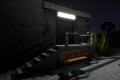
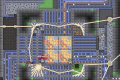

Scratch Or Die is a confined-environment survival game where the player must sustain progress through repetitive actions inside a small apartment. The gameplay removes traditional exploration and instead focuses on managing a fixed set of tasks under pressure. Each session requires the player to maintain a routine that generates resources while avoiding inefficiency. The design centers on limitation, where both space and available actions are intentionally restricted.



Scratch Or Die
Advertisement

Advertisement
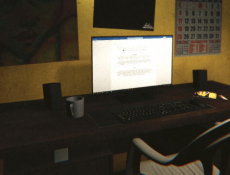

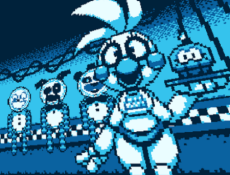
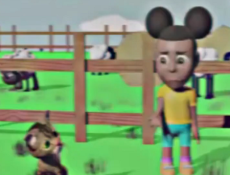
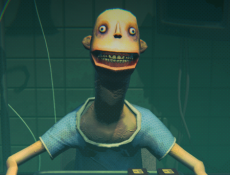
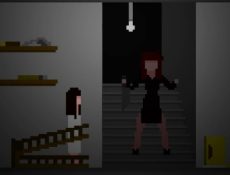




Scratch Or Die is a confined-environment survival game where the player must sustain progress through repetitive actions inside a small apartment. The gameplay removes traditional exploration and instead focuses on managing a fixed set of tasks under pressure. Each session requires the player to maintain a routine that generates resources while avoiding inefficiency. The design centers on limitation, where both space and available actions are intentionally restricted.
Action System And Task Repetition
The interaction system in Scratch Or Die is based on simple inputs that trigger specific actions. Players move between points in the apartment and activate objects to perform tasks. These actions are repeated frequently, forming a loop that defines the entire experience. Timing becomes critical, as each action consumes a portion of available time. Players must develop a consistent rhythm to maintain progress without interruptions.
Space Design And Interaction Flow
The apartment layout plays an important role in how the game functions. Since all interactions occur within a single room or small set of connected areas, object placement directly affects efficiency. Players must navigate the same paths repeatedly, which makes movement optimization essential. The environment does not change, but the player’s approach to it can improve over time.
- Single-location gameplay with no map expansion
- Repetitive interaction with the same objects
- Movement paths that influence task speed
- Fixed layout requiring memorization
- Minimal interface focused on core actions
Efficiency And Routine Optimization
Success in Scratch Or Die depends on how effectively the player organizes their actions. Establishing a reliable sequence allows tasks to be completed faster and with fewer mistakes. Players must identify which actions are most important and prioritize them accordingly. Inefficient movement or delayed decisions can reduce overall progress.
The game promotes gradual improvement through repetition. Each attempt provides information about better timing and positioning. Over time, players refine their routine, reducing unnecessary actions and improving consistency. This creates a learning process based on execution rather than new features.
Comments (0)


2026
