











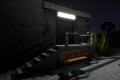
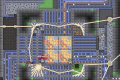

Shutter Story is a horror investigation game that builds its narrative around the careful examination of photographs and video recordings. The player is involved in reviewing visual material connected to a family history where unusual details begin to appear over time. At the start, the task resembles routine media inspection, but the process gradually reveals connections that suggest a deeper underlying issue. The game advances through a structured sequence where interpretation of visual evidence plays a central role in uncovering the story.



Shutter Story
Advertisement

Advertisement
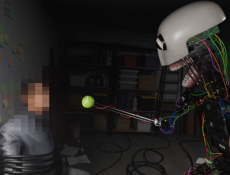



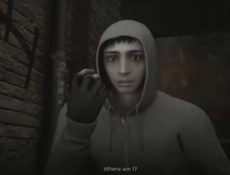




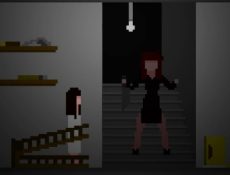
Shutter Story is a horror investigation game that builds its narrative around the careful examination of photographs and video recordings. The player is involved in reviewing visual material connected to a family history where unusual details begin to appear over time. At the start, the task resembles routine media inspection, but the process gradually reveals connections that suggest a deeper underlying issue. The game advances through a structured sequence where interpretation of visual evidence plays a central role in uncovering the story.
Role of the Player and Investigation Focus
In Shutter Story, the player assumes the role of an observer rather than an active protagonist. There is no direct confrontation or fast-paced interaction; instead, progress depends on how accurately the player identifies and interprets irregularities in visual media. Photographs and recordings are presented without guidance, and the player must decide what details are relevant. This approach places responsibility on observation and judgment, making investigation the primary form of interaction.
Systems and Core Mechanics
The gameplay structure of Shutter Story is built around interconnected systems that support a methodical investigation process. These systems include:
- Manual inspection of photographs and recorded footage
- Adjustment of visual parameters such as brightness and contrast
- Identification and categorization of unusual visual elements
- Linking discovered details to narrative progression
- Unlocking new content based on investigative accuracy
Together, these mechanics form a loop where analysis leads to new information, which then opens additional investigative paths.
Exploration Segments and Spatial Context
Between analysis sessions, the player enters first-person exploration segments that provide context for the visual evidence. These environments are directly tied to the materials being examined and reflect elements seen in the images or videos. Movement is limited, and interaction is focused on observation rather than manipulation. Changes within these spaces often correspond to earlier discoveries, reinforcing the connection between static media analysis and physical surroundings.
Narrative Delivery Through Evidence
Shutter Story presents its narrative through implication rather than explicit explanation. Dialogue is minimal, and the story emerges from the accumulation of visual clues and environmental changes. The order and nature of revelations depend on how the player processes evidence, creating a sense of involvement without branching storylines. The narrative remains linear but is paced by investigative progress rather than scripted events.
Comments (0)


2026
