











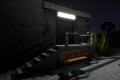

Silent Hill f is a survival horror game that redefines the series framework by moving the setting away from its familiar locations into a rural Japanese town. The player controls a young protagonist navigating an environment transformed by fog, decay, and hostile presences. Progress depends on exploration, puzzle solving, and careful movement rather than constant combat. The game emphasizes psychological pressure through space, sound, and limited information, placing the player in situations where understanding the environment is as important as reacting to danger.



Silent Hill f
Advertisement
Advertisement
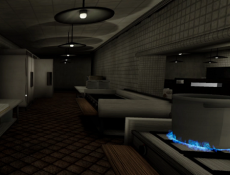
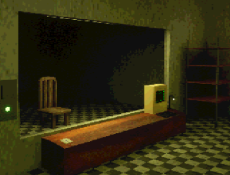
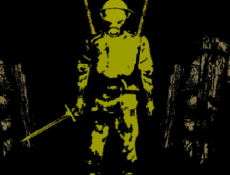




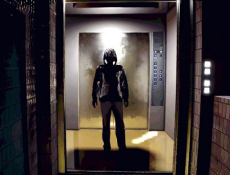


Silent Hill f is a survival horror game that redefines the series framework by moving the setting away from its familiar locations into a rural Japanese town. The player controls a young protagonist navigating an environment transformed by fog, decay, and hostile presences. Progress depends on exploration, puzzle solving, and careful movement rather than constant combat. The game emphasizes psychological pressure through space, sound, and limited information, placing the player in situations where understanding the environment is as important as reacting to danger.
Setting And Environmental Design
The setting of Silent Hill f is a small town shaped by traditional architecture and narrow streets, which contrasts with the distorted state it enters during gameplay. Buildings, pathways, and natural spaces are arranged to restrict visibility and movement, reinforcing uncertainty. Fog limits perception and forces close-range exploration, while subtle changes in the environment signal shifts in threat or progression. The town functions as a cohesive space where each area connects logically, encouraging players to build familiarity over time.
Core Gameplay Structure
Gameplay in Silent Hill f balances exploration, puzzle interaction, and survival-focused encounters. The player searches locations for key items, documents, and environmental clues that unlock new routes or provide context. Combat is present but restrained, requiring deliberate choices due to limited resources. Avoidance and positioning often provide safer solutions than direct confrontation.
Common gameplay elements include:
- Environmental puzzles tied to specific locations
- Resource management under constant threat
- Enemy encounters designed around tension rather than frequency
- Exploration through interconnected indoor and outdoor areas
- Narrative clues embedded in objects and surroundings
These systems shape pacing and decision-making throughout the game.
Narrative Approach And Themes
Silent Hill f presents its narrative indirectly, relying on implication rather than exposition. Story details emerge through environmental changes, symbolic imagery, and scattered written materials. Themes focus on personal identity, social pressure, and internal conflict, expressed through both setting and enemy design. The absence of clear explanations invites interpretation, encouraging players to connect events and symbols on their own terms.
Comments (0)


2026
