











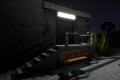

Sleepover ReWake is a story-focused visual novel that centers on a reunion between two people who have not spoken for many years. The player controls Kano, who receives an unexpected message from a childhood friend named Aki. What begins as a simple invitation gradually becomes a night filled with reflection, tension, and emotional decisions. The game does not rely on complex mechanics or action. Instead, it builds its experience through conversation, memory, and choice. The setting is limited, but the emotional range of the story develops as the night progresses.



Sleepover ReWake
Advertisement

Advertisement

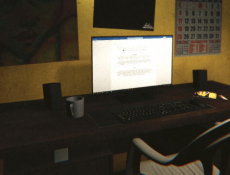
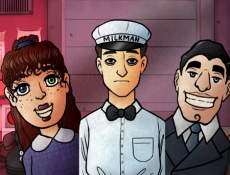

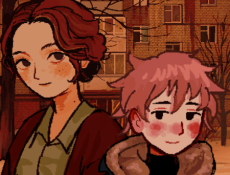





Sleepover ReWake is a story-focused visual novel that centers on a reunion between two people who have not spoken for many years. The player controls Kano, who receives an unexpected message from a childhood friend named Aki. What begins as a simple invitation gradually becomes a night filled with reflection, tension, and emotional decisions. The game does not rely on complex mechanics or action. Instead, it builds its experience through conversation, memory, and choice. The setting is limited, but the emotional range of the story develops as the night progresses.
Narrative Structure And Player Role
The story unfolds through dialogue choices that influence how events develop. Players are not given direct instructions on what is right or wrong, which makes decisions feel personal. Some responses lead to openness and understanding, while others cause distance or discomfort. The pacing is slow and deliberate, allowing the player to absorb each moment. The narrative structure encourages attention to tone and wording rather than quick decision-making. The game focuses on how small choices affect relationships rather than presenting dramatic plot twists.
Core Systems And Interaction
Sleepover ReWake uses a small number of systems that shape the entire experience:
- Dialogue choices that alter story direction
- Multiple endings based on player decisions
- Character reactions that change over time
- Scene progression tied to conversation flow
- Optional replay to explore alternate outcomes
These mechanics create a framework where the player’s role is to observe, respond, and reflect. There are no puzzles or combat systems, which keeps attention on emotional context and character development.
Presentation And Atmosphere
The visual style of the game supports its narrative focus. Character sprites and backgrounds are designed to reflect subtle emotional changes throughout the story. Lighting and color are used to suggest mood shifts as conversations evolve. Sound design also plays an important role, with music and voice acting reinforcing the tone of each scene. The interface remains minimal so that the player’s attention stays on dialogue and character interaction rather than menus or mechanics.
Replay Value And Narrative Depth
Sleepover ReWake encourages replay by offering multiple endings that depend on dialogue choices made throughout the story. A single playthrough reveals only part of the narrative, while repeated sessions uncover alternative perspectives and outcomes. The short length of the game makes experimentation accessible without feeling repetitive. Each route highlights different aspects of the characters and their past, allowing players to interpret the story in their own way. This structure makes the experience feel personal, even though the setting and events remain the same across playthroughs.
Comments (0)


2026
