




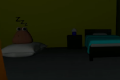



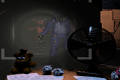


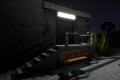
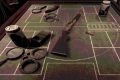
Slendrina X is a first-person horror game that places the player inside a closed environment where exploration and caution are essential. The game continues the familiar structure of earlier titles in the series, focusing on slow movement, limited visibility, and constant tension. The player is placed in a dark location filled with locked areas and hidden objects, with the main goal being to find specific items while avoiding a dangerous presence. Progress depends on attention and memory rather than fast reactions.



Slendrina X
Advertisement
Advertisement








Environment And Level Structure
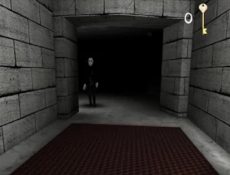
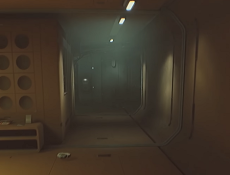
The setting in Slendrina X is designed as a confined space made up of corridors, rooms, and hidden passages. Navigation is intentionally disorienting, forcing players to rely on landmarks and careful observation. Doors often require keys or actions to unlock, encouraging exploration of every area. The environment changes subtly as the game progresses, making familiar locations feel uncertain over time. This structure supports slow movement and careful decision-making rather than aggressive play.
Gameplay Mechanics And Interaction
The gameplay focuses on searching, collecting, and avoiding threats. Players must move quietly, check corners, and pay attention to sound cues. There are no weapons or combat options, which makes avoidance the only method of survival. Interaction with the environment is simple but meaningful, as every object may be required for progression. Key gameplay elements include:
- Exploring rooms for hidden items
- Unlocking doors and passages
- Avoiding direct contact with enemies
- Listening for audio warnings
- Remembering safe routes through the map
These mechanics create a steady rhythm where caution is more important than speed.
Sound Design And Atmosphere
Sound plays a major role in shaping the experience of Slendrina X. Footsteps, ambient noise, and sudden audio cues signal danger or changes in the environment. Silence is used intentionally, making players more alert to even small sounds. The absence of constant background music increases tension and keeps attention focused on surroundings. Audio feedback often serves as the first warning that something is nearby.
The visual style of the game is dark and minimal, emphasizing shadows and limited light sources. This design choice restricts visibility and forces players to move slowly. Camera movement is steady but narrow, which increases tension when turning corners or entering new rooms. The simplicity of the visuals helps maintain clarity while still supporting the unsettling atmosphere of the game.
Comments (0)


2026
