












Slow Damage is a narrative-driven game that places the player in a modern urban setting where personal choices shape the direction of the story. The game focuses on character development, dialogue, and internal conflict rather than action or mechanical challenges. From the beginning, the player is introduced to a structured world where daily life, relationships, and decisions are closely connected. Progress is guided through reading and selecting responses, with the pace controlled by the player rather than external pressure.



Slow Damage
Advertisement
Advertisement










Story Structure and Player Role
The core of Slow Damage lies in its storytelling approach. The player follows a main character whose experiences unfold through conversations and situational choices. Rather than offering a single path, the game presents branching routes that respond to decisions made throughout the narrative. Each choice can influence character relationships and future events. The structure encourages careful attention to dialogue, as small details may lead to different outcomes later in the story.
Interaction and Decision-Making
Gameplay in Slow Damage is built around interaction rather than action. The player spends most of the time reading, observing, and selecting responses that shape the flow of events. There are no traditional challenges or time-based mechanics, allowing the story to progress at a steady pace.
Key interaction elements include:
- selecting dialogue options during conversations
- observing character reactions and emotional shifts
- making decisions that affect future scenes
- following branching narrative paths
These mechanics create a system where progression depends on understanding context and character behavior rather than solving puzzles or reacting quickly.
Visual Direction and Presentation
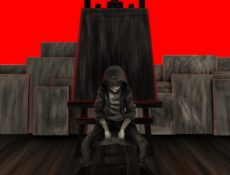
The visual style of Slow Damage supports its narrative focus. Character portraits and backgrounds are presented clearly, allowing expressions and environment details to convey meaning. Transitions between scenes are smooth and unobtrusive, keeping attention on dialogue. The interface is minimal, designed to keep reading comfortable and uninterrupted. Visual changes often reflect emotional shifts or story developments rather than gameplay mechanics.
Comments (0)


2026
