











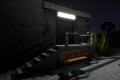
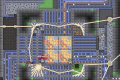

Storm Grill is a session-based game where the player manages a single object exposed to constant environmental pressure. The grill serves as both the main interactive element and the condition for failure. Rain falls continuously, and every drop that reaches the fire reduces its stability. The player’s task is to remove these drops before they cause critical damage. This creates a loop where attention, timing, and resource use are directly connected to survival time.



Storm Grill
Advertisement

Advertisement
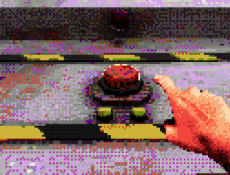
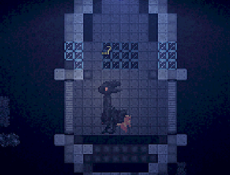


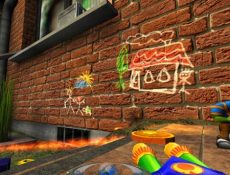

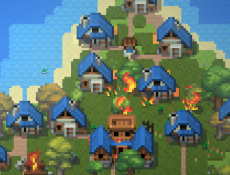



Storm Grill is a session-based game where the player manages a single object exposed to constant environmental pressure. The grill serves as both the main interactive element and the condition for failure. Rain falls continuously, and every drop that reaches the fire reduces its stability. The player’s task is to remove these drops before they cause critical damage. This creates a loop where attention, timing, and resource use are directly connected to survival time.
Core Interaction Model
Each session begins without advantages beyond previously unlocked upgrades. The player actively removes raindrops through direct input, converting them into currency. Early stages rely almost entirely on manual interaction, which sets the pace and difficulty of the experience. The longer the grill remains active, the faster and more densely the rain appears. When the flame is fully extinguished, the session ends immediately, reinforcing a clear risk-reward structure.
Between sessions, Storm Grill shifts focus from action to planning. Earned currency is spent on persistent upgrades that affect future runs. These upgrades do not remove the need for player input but instead change how demanding each session becomes. Over time, this system allows players to extend runs by improving efficiency rather than speed alone.
Upgrade System Design
Progression in Storm Grill is built around gradual modification rather than sudden power spikes. The upgrade system is designed to stack small advantages that compound across runs. Players are encouraged to experiment with different combinations to find a balance that matches their play style.
Main upgrade categories include:
- Improvements to manual evaporation effectiveness
- Passive systems that reduce required interaction
- Defensive bonuses that delay flame damage
- Economy boosts that increase long-term progression
None of these upgrades function independently, which makes planning essential. Ignoring one area often results in a weaker overall build.
Session Flow and Pressure
As sessions progress, the game increases difficulty by tightening reaction windows and introducing more dangerous rain patterns. This scaling is time-based, ensuring that every run eventually reaches a breaking point. The player must decide when to actively intervene and when to rely on automation gained through upgrades.
Later runs emphasize efficiency over intensity. Strong builds reduce repetitive input but still require attention during high-pressure moments. This balance keeps sessions consistent without becoming static.
Comments (0)


2026
