























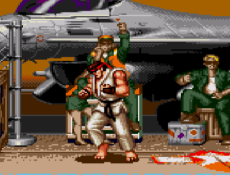
Street Fighter II is a fighting game where two characters compete in one-on-one matches using a combination of basic attacks and special moves. The player selects a fighter from a roster, each with unique abilities, movement speed, and attack patterns. Matches take place in rounds, and the objective is to reduce the opponent’s health to zero before time runs out. The structure is based on direct competition, requiring timing, positioning, and execution.



Street Fighter II
Advertisement
Advertisement







Street Fighter II is a fighting game where two characters compete in one-on-one matches using a combination of basic attacks and special moves. The player selects a fighter from a roster, each with unique abilities, movement speed, and attack patterns. Matches take place in rounds, and the objective is to reduce the opponent’s health to zero before time runs out. The structure is based on direct competition, requiring timing, positioning, and execution.
Combat System And Controls
The core mechanic revolves around a set of directional inputs combined with attack buttons. Players perform punches and kicks of varying strength, along with special moves triggered by specific input sequences. These moves often provide advantages such as increased range or damage.
Movement is limited to a 2D plane, where players control spacing and timing to create opportunities for attacks. Blocking, jumping, and crouching add defensive options, allowing players to respond to different situations during a match.
Character Design And Variation
Each character in Street Fighter II has a defined set of abilities and characteristics. Differences in speed, strength, and special techniques influence how each fighter is used. Players must adapt their approach depending on the selected character and opponent.
This variation creates multiple play styles. Some fighters focus on close-range attacks, while others rely on distance and projectiles. Understanding these differences is essential for effective play.
Main Gameplay Elements
- One-on-one combat in a 2D arena
- Distinct characters with unique move sets
- Combination of basic attacks and special inputs
- Health-based victory conditions across rounds
- Emphasis on timing, spacing, and reaction
Match Structure And Progression
Matches are divided into rounds, typically requiring two wins to secure victory. In single-player mode, players face a sequence of opponents controlled by the system. Difficulty increases as stronger opponents appear later in the sequence.
Multiplayer mode allows direct competition between players. This introduces unpredictability, as human opponents adapt and respond differently compared to programmed behavior.
Player Experience And Skill Development
Street Fighter II is structured around repeated matches where players refine their control and strategy. There is no progression system tied to unlocking abilities; improvement comes from practice and understanding of mechanics.
The experience emphasizes precision and consistency. Players develop skills by learning move inputs, recognizing patterns, and adjusting timing. The game creates a loop where engagement depends on mastering character abilities and responding effectively to opponents in competitive encounters.
Comments (0)


2026
