






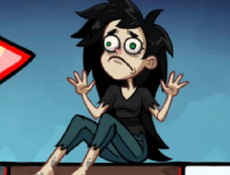
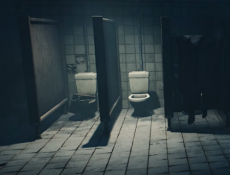
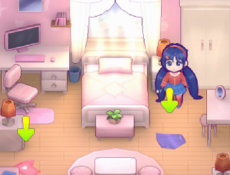
STUPIDELLA HORROR is a short point-and-click puzzle game structured around a sequence of self-contained scenes. Each scene places the player in a situation inspired by familiar horror settings, but the rules are never explained directly. The goal is simply to progress forward by interacting with the environment correctly. There is no overarching story that guides the player; instead, the experience is built from separate moments connected only by progression from one scene to the next.



STUPIDELLA HORROR
Advertisement
Advertisement



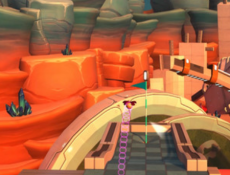
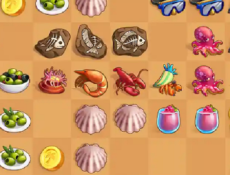
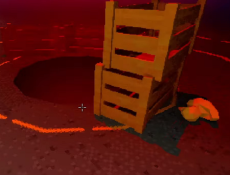

STUPIDELLA HORROR is a short point-and-click puzzle game structured around a sequence of self-contained scenes. Each scene places the player in a situation inspired by familiar horror settings, but the rules are never explained directly. The goal is simply to progress forward by interacting with the environment correctly. There is no overarching story that guides the player; instead, the experience is built from separate moments connected only by progression from one scene to the next.
Interaction Rules and Player Input
Player input is limited to clicking or tapping on elements within the scene. There are no movement controls, dialogue options, or inventories to manage. Each interaction produces an immediate response, which may advance the scene or reset it. Incorrect actions usually result in failure without penalty beyond restarting the current segment. This design encourages experimentation, as the player must test different interactions to understand what the scene expects.
Scene-Based Progression
Progression in STUPIDELLA HORROR is linear and divided into short levels. Each level introduces a new environment with its own logic, and solutions from previous scenes do not carry over. The lack of continuity forces the player to approach every situation independently. Visual cues often hint at what can be interacted with, but correct solutions are rarely obvious at first glance. Learning comes from observing reactions rather than following instructions.
During the central portion of the game, players repeatedly engage with:
- clicking interactive objects within a single scene
- testing action sequences through trial and error
- observing visual changes after each input
- restarting scenes after incorrect choices
- advancing only after a correct interaction
Visual Feedback and Timing
Visual feedback is the primary way the game communicates success or failure. Animations, object movement, or scene transitions indicate whether an action was correct. Timing can also play a role, as some interactions require clicks to occur in a specific order or moment. Audio cues support this feedback but do not provide direct guidance. The absence of explanatory text keeps focus on observation rather than reading.
STUPIDELLA HORROR is designed for brief play sessions, with each scene taking only a short time once the solution is known. There are no branching paths, difficulty settings, or alternate endings that change structure. Replay value comes from remembering solutions and progressing more efficiently rather than discovering new mechanics. The game relies on simple interaction rules and rapid feedback, offering a contained puzzle experience built around curiosity, repetition, and recognition of unconventional logic.
Comments (0)


2026
