









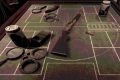
Superweird is an automation-focused game where players build systems, manage resources, and coordinate robotic units to complete objectives within a fragmented environment. The core experience is based on planning and execution rather than direct action. Players interact with a dynamic world that requires constant adjustment as new challenges emerge. Progress depends on how effectively systems are designed and maintained over time, making structure and organization central to gameplay.



Superweird
Advertisement
Advertisement


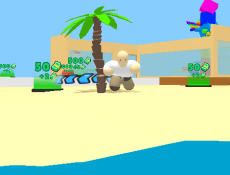



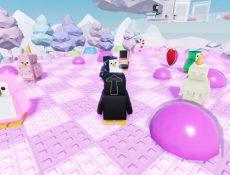
Superweird is an automation-focused game where players build systems, manage resources, and coordinate robotic units to complete objectives within a fragmented environment. The core experience is based on planning and execution rather than direct action. Players interact with a dynamic world that requires constant adjustment as new challenges emerge. Progress depends on how effectively systems are designed and maintained over time, making structure and organization central to gameplay.
World Structure and Player Objectives
The game world in Superweird is divided into separate zones that must be stabilized and connected through player-built systems. Each zone contains resources, obstacles, and functional requirements that shape how production chains are designed. The main objective is to restore functionality by extracting materials, processing them, and sustaining automated workflows. Environmental threats and system inefficiencies can interrupt progress, forcing players to revise layouts and strategies as conditions change.
Automation Systems and Task Assignment
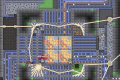
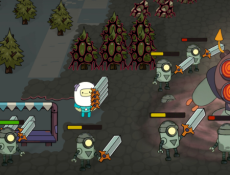
Automation is the foundation of Superweird’s gameplay. Players deploy robots that perform predefined tasks such as harvesting resources, transporting items, or operating machinery. Robots follow paths defined by the player, and their efficiency depends on layout design and task distribution. Poor planning can lead to congestion or idle units, while optimized systems allow for continuous operation with minimal oversight.
During gameplay, players typically manage the following automation components:
- Assigning robots to specific tasks and routes
- Designing production chains from raw materials to finished items
- Balancing resource input and output across systems
- Adjusting layouts to prevent bottlenecks and downtime
These elements work together to determine overall system performance.
Resource Flow and Strategic Planning
Resources in Superweird are limited and must be used carefully. Players need to decide which systems to prioritize and when to expand operations. Strategic planning involves forecasting future needs, preparing for disruptions, and ensuring that critical processes remain functional. As the game progresses, systems grow more complex, increasing the importance of clear structure and long-term planning rather than short-term gains.
Cooperative Play and Shared Management
Superweird supports cooperative gameplay, allowing multiple players to work within the same environment. In cooperative sessions, players can divide responsibilities, such as focusing on resource extraction, automation design, or system maintenance. Shared management requires coordination, as changes made by one player can affect the entire system. This mode emphasizes communication and collaborative problem solving rather than individual optimization.
Comments (0)


2026
