











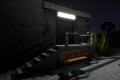

Tales Beyond The Tomb – Route 86 is a short horror game centered on a single, self-contained story presented within an anthology format. The events take place during a road trip that becomes increasingly unsafe as the characters move along an isolated route. The game is designed around linear progression, with the player guided through specific locations that support the narrative. Instead of offering open exploration, the experience focuses on controlled movement and observation, keeping attention on the unfolding situation.



Tales Beyond The Tomb – Route 86
Advertisement
Advertisement

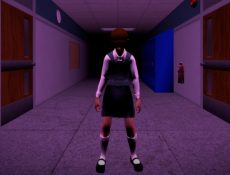
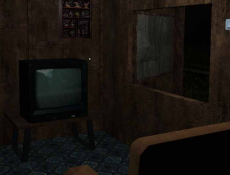
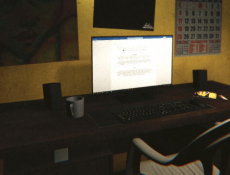

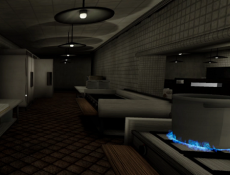

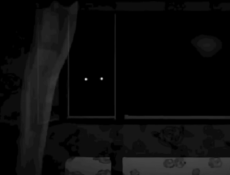
Tales Beyond The Tomb – Route 86 is a short horror game centered on a single, self-contained story presented within an anthology format. The events take place during a road trip that becomes increasingly unsafe as the characters move along an isolated route. The game is designed around linear progression, with the player guided through specific locations that support the narrative. Instead of offering open exploration, the experience focuses on controlled movement and observation, keeping attention on the unfolding situation.
Narrative Organization and Characters
The story is divided into chapters that follow different members of the group involved in the trip. Each chapter shows a separate moment along Route 86 and adds information that helps explain what is happening. Perspective changes are used to expand the context rather than to branch the plot. Conversations, environmental clues, and scripted events replace long explanations, allowing the narrative to progress through action and placement rather than exposition.
Player Control and Core Mechanics
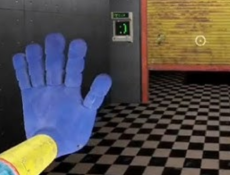
Tales Beyond The Tomb – Route 86 uses a first-person perspective and limits player interaction to essential actions. There is no combat system, and confrontation is avoided whenever possible. Players are expected to move carefully, listen for audio cues, and react to threats by hiding or escaping. The main mechanics that define gameplay include:
- First-person movement through confined environments
- Stealth-based navigation and avoidance
- Interaction with objects that trigger story progression
- Switching playable characters between chapters
- Optional microphone detection that reacts to real-world sound
These systems work together to support tension without adding mechanical complexity.
Environment Structure and Visual Direction
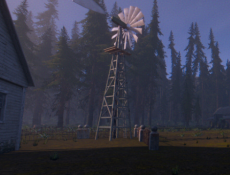
The environments are designed to guide players forward while restricting unnecessary movement. Locations such as roadside areas, interiors, and narrow passages control pacing and visibility. Visual design prioritizes readability, ensuring that interactive elements and paths are easy to identify. Lighting is used to separate safe areas from dangerous ones, while shadows and limited sightlines increase uncertainty during key moments.
Sound Design and Feedback
Audio plays a central role in Route 86. Ambient sounds, character voices, and environmental noise help communicate nearby danger or upcoming events. Silence is used deliberately, forcing players to rely on subtle cues rather than constant feedback. The optional microphone feature increases sensitivity to sound, making player behavior outside the game part of the experience and encouraging careful movement during tense sequences.
Comments (0)


2026
