










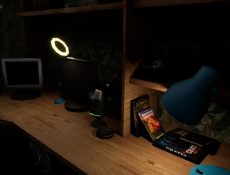
Terpenie is a first-person psychological game that places the player inside a small apartment and asks them to live through an evening that slowly becomes uncomfortable. There are no missions, weapons, or traditional objectives. Instead, the experience is built around routine actions and quiet observation. The player returns home, moves through familiar rooms, and performs everyday tasks while the environment gradually begins to feel unstable. The sense of danger is not immediate, but it grows through subtle changes that are easy to miss at first.



Terpenie
Advertisement
Advertisement
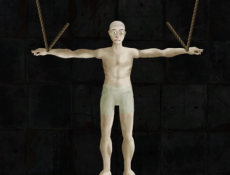
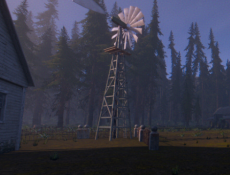

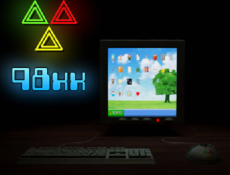
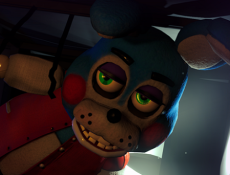
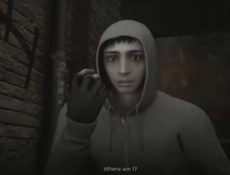
A Familiar Space
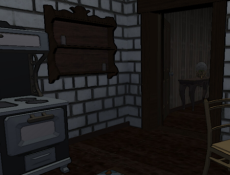
The game begins in a calm and ordinary setting. The apartment feels realistic, with furniture, personal items, and basic interactions that resemble real life. The player is free to walk around, examine objects, and carry out simple activities such as preparing food or checking rooms. Nothing seems unusual at this stage, and there are no direct threats. This slow introduction allows the player to memorize the layout and develop a sense of comfort within the space, which later becomes important when changes start to appear.
Gradual Loss of Stability
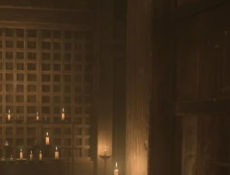
As time passes, the environment begins to shift in small ways. Sounds may occur without a clear source, lighting can feel slightly off, and objects might not remain where they were before. The game never directly explains these changes, leaving interpretation entirely to the player. The tension comes from uncertainty rather than action. Players must decide whether something is truly wrong or if they are simply imagining it, which creates constant mental pressure.
During gameplay, the player typically:
- Moves through the apartment observing details
- Interacts with everyday objects
- Notices small changes in sound or layout
- Decides whether to investigate or avoid areas
- Tries to maintain a sense of control
Presence Without Visibility
As the experience continues, the feeling of being alone starts to fade. The game suggests the presence of something else without clearly showing it. This absence of a visible threat forces the player to stay alert at all times. Ordinary actions become tense, and the apartment no longer feels safe. The lack of direct confrontation makes the experience feel more psychological, relying on atmosphere rather than scripted events.
Endurance and Attention
The later part of Terpenie focuses on endurance rather than progression. There is no clear goal beyond surviving the situation and understanding what is happening around you. The player must remain observant, react carefully, and avoid panic. The game does not rush toward a conclusion, instead allowing tension to build naturally through repetition and uncertainty.
Terpenie uses minimal mechanics to create a strong sense of unease. By keeping the setting small and the actions simple, it forces the player to focus on subtle changes and personal interpretation. The result is an experience where attention and patience matter more than skill, and where fear comes from what might happen rather than what is shown.
Comments (0)


2026
