











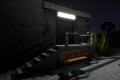
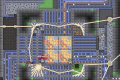
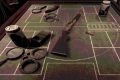
The Corpse Is Mocking Me is a horror game that centers on player behavior and decision-making rather than scripted scares or complex systems. From the start, the player is placed into an interactive space with minimal context and must figure out how to proceed through trial and error. The game does not rely on combat, scoring, or clear objectives, instead pushing the player to understand rules through experience. Progress depends on how the player moves, reacts, and interprets what actions are safe or unsafe.



The Corpse Is Mocking Me
Advertisement

Advertisement


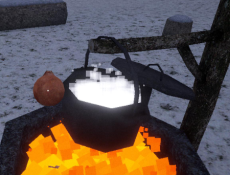

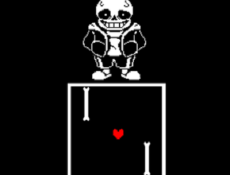




The Corpse Is Mocking Me is a horror game that centers on player behavior and decision-making rather than scripted scares or complex systems. From the start, the player is placed into an interactive space with minimal context and must figure out how to proceed through trial and error. The game does not rely on combat, scoring, or clear objectives, instead pushing the player to understand rules through experience. Progress depends on how the player moves, reacts, and interprets what actions are safe or unsafe.
Player Actions And Game Rules
Gameplay in The Corpse Is Mocking Me is built around limited but meaningful actions. The player usually has access to movement and basic interaction, but these actions carry consequences that are not immediately explained. Some behaviors may trigger progression, while others can lead to failure without warning. Because the game does not clarify its rules, players must test boundaries carefully. Learning comes from observing cause and effect rather than following instructions.
Risk, Timing, And Control
A major part of the experience comes from managing risk. The player is often placed in situations where waiting, moving forward, or interacting all carry potential danger. Timing becomes critical, as performing the right action at the wrong moment can reset progress. The game encourages slow and deliberate play, but hesitation can also be punished. This creates constant tension, as players are never fully confident in their decisions.
During gameplay, players typically deal with:
- Limited movement options that affect safety
- Interaction points that may or may not be required
- Situations where timing determines success
- Repeated sequences that change based on behavior
These mechanics force players to adapt rather than rely on fixed strategies.
Learning Through Failure
The Corpse Is Mocking Me uses failure as a teaching tool. There are no checkpoints or safety nets, so mistakes often result in restarting sections or entire sessions. Each failure provides new information about what actions should be avoided or repeated. Over time, players begin to recognize patterns in how the game responds to movement and interaction. Progress is achieved by reducing unnecessary actions and choosing safer approaches based on experience.
Gameplay Flow And Session Structure
Sessions are designed to be relatively short but mentally demanding. The game does not aim for long continuous play, instead favoring focused attempts where attention is constantly required. Because progress is not saved in a traditional way, players are encouraged to complete sequences in a single run. This structure rewards concentration and memory rather than endurance or grinding.
Comments (0)


2026
