











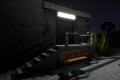
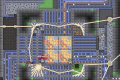

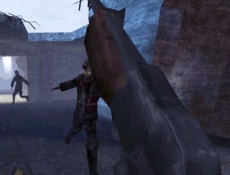
The Goldriver Project places the player in a large wilderness area where survival is the primary concern and guidance is intentionally limited. The game begins with a situation that appears controlled, but quickly turns into a long-term challenge that requires planning and adaptation. Instead of following a strict objective list, players must decide how to stay alive, where to travel, and when to take risks. The experience is shaped by player awareness rather than scripted direction.



The Goldriver Project
Advertisement
Advertisement





The Goldriver Project places the player in a large wilderness area where survival is the primary concern and guidance is intentionally limited. The game begins with a situation that appears controlled, but quickly turns into a long-term challenge that requires planning and adaptation. Instead of following a strict objective list, players must decide how to stay alive, where to travel, and when to take risks. The experience is shaped by player awareness rather than scripted direction.
World Structure And Player Orientation
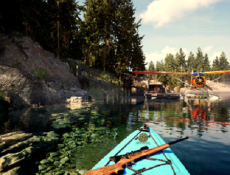
The environment is built as an open landscape consisting of forests, rivers, lakes, and remote paths. Players are not led through the world step by step, which makes orientation an important skill. Landmarks, terrain changes, and discovered locations help players understand the map over time. Movement through the world requires preparation, as long distances and limited resources can turn simple travel into a strategic decision.
Survival Mechanics And Long-Term Planning
Survival systems form the foundation of gameplay. Players must monitor multiple conditions simultaneously and balance short-term needs with future safety. Food, water, shelter, and physical condition all interact, meaning neglecting one element can affect the rest. The game rewards careful preparation over impulsive action, especially as conditions become more demanding.
Core survival-related actions usually involve:
- gathering food and water from the environment
- crafting tools and basic equipment
- establishing and maintaining camps
- managing stamina and health levels
- planning supply usage for extended trips
Exploration And Environmental Change
Exploration drives both progression and understanding. As players move deeper into the wilderness, they encounter new zones with different risks and resource availability. Environmental changes over time can alter familiar areas, forcing players to adjust established routines. The game does not guarantee safety in previously explored locations, which encourages constant reassessment of surroundings.
Cooperative Play And Group Dynamics
The Goldriver Project allows multiple players to share the same world in cooperative sessions. Working together makes survival more manageable, but also introduces shared responsibility. Players can divide tasks such as scouting, resource collection, or camp maintenance. Cooperation improves efficiency, yet mistakes made by one player can impact everyone, making communication essential.
Comments (0)


2026
