







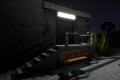
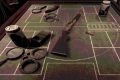
The Not-Deer Stew is a compact game centered on completing a cooking task under changing conditions. The player starts in a cabin located in a snow-covered forest and is given access to a recipe and basic tools. To finish the stew, specific ingredients must be collected from the surrounding area and added in the correct order. The game introduces its mechanics without extensive explanation, allowing the player to understand systems through repeated interaction rather than direct instruction.



The Not-Deer Stew
Advertisement
Advertisement
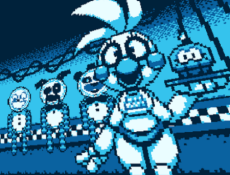
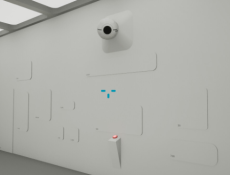

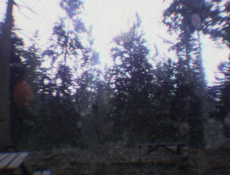
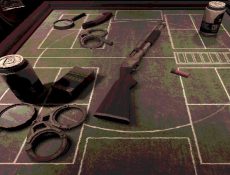
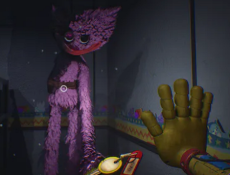
The Not-Deer Stew is a compact game centered on completing a cooking task under changing conditions. The player starts in a cabin located in a snow-covered forest and is given access to a recipe and basic tools. To finish the stew, specific ingredients must be collected from the surrounding area and added in the correct order. The game introduces its mechanics without extensive explanation, allowing the player to understand systems through repeated interaction rather than direct instruction.
Session Flow and Player Decisions
Each session follows a clear structure but leaves room for player choice. The cabin acts as a safe workspace where preparation happens, while the forest serves as the source of required items. Moving outside always involves a trade-off between speed and awareness. The game does not use traditional progression systems such as levels or upgrades. Instead, progress depends entirely on completing the recipe within a single run, making every decision relevant to the final outcome.
The presence of the Not-Deer changes how routine actions are approached. The game does not define strict rules for how this entity behaves, which shifts responsibility to the player to interpret signals from the environment. Sounds, timing, and movement patterns become important sources of information. This uncertainty affects how players plan their routes and decide when to return to the cabin.
Core Actions and Repetition
The gameplay loop is built around a small number of repeated actions that become more demanding when combined. These actions remain consistent across attempts:
- Searching fixed locations for required ingredients
- Carrying items back to the cabin one at a time
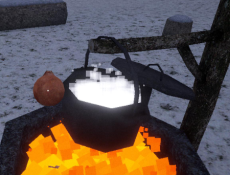
- Adding ingredients to the pot according to the recipe
- Paying attention to audio cues while outside
- Deciding whether to continue or interrupt a task
Failure resets the session but also increases familiarity with the layout and sequence of steps. Over time, players rely less on trial and error and more on planning and recognition.
Visual Structure and Sound Use
The visual design uses clear shapes and limited detail to define space without overwhelming the player. Snow, lighting, and object placement help indicate distance and orientation. There are no interface markers guiding the player to objectives, which places emphasis on memory and observation. Sound design supports this approach by providing information about nearby activity and changes in the environment. Music is present but restrained, allowing functional sounds to remain noticeable.
Scope and Replay Value
The Not-Deer Stew is designed for short play sessions and does not attempt to expand its scope beyond its central task. Its replay value comes from repetition and refinement rather than added content. Each attempt improves understanding of timing, space, and order. For players interested in focused gameplay built around a single objective, the game offers a controlled structure that rewards attention and consistency.
Comments (0)


2026
