























To Eat a God is a narrative-driven visual novel focused on dialogue choices, psychological tension, and branching story routes. Players control a living puppet sent into the “Garden of Gods,” a strange world ruled by powerful self-aware beings. The main objective is to survive interactions with these gods while hiding the truth about the protagonist’s identity. The game combines visual novel mechanics with meta storytelling, where characters are aware of the game world itself and may react directly to player actions and save behavior.



To Eat a God
Advertisement

Advertisement

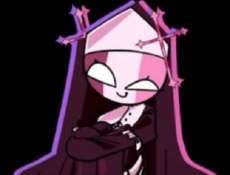


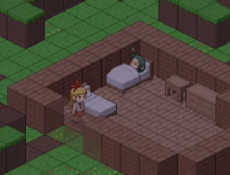




To Eat a God is a narrative-driven visual novel focused on dialogue choices, psychological tension, and branching story routes. Players control a living puppet sent into the “Garden of Gods,” a strange world ruled by powerful self-aware beings. The main objective is to survive interactions with these gods while hiding the truth about the protagonist’s identity. The game combines visual novel mechanics with meta storytelling, where characters are aware of the game world itself and may react directly to player actions and save behavior.
Story and Main Characters
The story follows a puppet sacrifice placed into a dangerous environment controlled by several gods with different personalities and motivations. Players interact mainly with characters such as Unum, Septem, and Nulla, each connected to separate narrative routes and endings. Dialogue choices influence trust, suspicion, and emotional relationships between the protagonist and these entities. Some routes focus on cooperation and survival, while others reveal hidden truths about the world and its creators.
The game uses a branching narrative structure with multiple endings and hidden events. Certain dialogue options unlock new scenes or entirely different routes during later playthroughs. Some characters can alter the flow of the story directly, creating situations where the player must rethink earlier decisions. The world itself changes depending on progression and discovered information.
Gameplay and Choice System
The gameplay is based primarily on reading dialogue, making choices, and observing environmental details. There is no traditional combat system. Instead, progression depends on conversation management, memory, and understanding character behavior. Players must maintain the illusion that the puppet belongs in the Garden while avoiding suspicion from the gods.
The game includes several important features:
- Multiple branching story routes
- More than 15 possible endings
- Dialogue-based progression systems
- Meta interactions with save files and choices
- Character-specific narrative paths
Different choices can unlock hidden scenes, secret dialogue, and additional story layers connected to the world’s lore.
Progression and Replayability
To Eat a God does not use traditional levels, but the story is divided into separate routes and progression branches. Each route reveals different information about the Garden, the gods, and the protagonist. Players are encouraged to replay the game because many events and endings are inaccessible during a single playthrough. Some routes only become available after discovering specific dialogue or completing earlier paths.
Comments (0)


2026
