








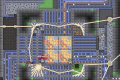
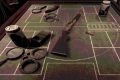
Tormented Souls 2 is a survival horror game that continues the series with a renewed focus on exploration, environmental puzzles, and controlled pacing. The player once again follows Caroline Walker, whose attempt to return to normal life is disrupted by events that lead her into a new isolated location. Progress is shaped by careful movement through interconnected spaces, limited resources, and the need to interpret clues scattered throughout the environment. The game prioritizes tension created by uncertainty rather than constant confrontation.


Tormented Souls 2
Advertisement
Advertisement


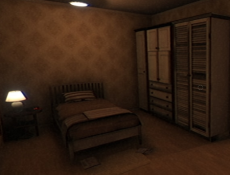




Tormented Souls 2 is a survival horror game that continues the series with a renewed focus on exploration, environmental puzzles, and controlled pacing. The player once again follows Caroline Walker, whose attempt to return to normal life is disrupted by events that lead her into a new isolated location. Progress is shaped by careful movement through interconnected spaces, limited resources, and the need to interpret clues scattered throughout the environment. The game prioritizes tension created by uncertainty rather than constant confrontation.
Setting And Narrative Direction
The setting of Tormented Souls 2 expands beyond a single facility and introduces a broader collection of locations connected by shared history. Abandoned buildings, narrow corridors, and sealed rooms form a network that slowly opens as the player advances. Narrative information is revealed through documents, environmental details, and symbolic imagery rather than direct exposition. The story unfolds gradually, encouraging players to connect events and locations on their own while maintaining a consistent sense of isolation.
Exploration And Puzzle Structure
Exploration in Tormented Souls 2 relies on revisiting areas with new information or items. Puzzles are integrated into the environment and often require observation rather than trial-and-error. Many challenges involve manipulating objects, aligning mechanisms, or interpreting clues found earlier. The layout of the world encourages backtracking, but shortcuts and unlocked paths help reduce repetition while reinforcing spatial awareness.
Key gameplay elements include:
- Environmental puzzles tied to specific locations
- Inventory-based problem solving
- Limited healing and ammunition resources
- Interconnected rooms that unlock progressively
- Manual save points that affect risk management
These systems define the rhythm of exploration and decision-making.
Combat And Resource Management
Combat in Tormented Souls 2 is designed to be deliberate and restrained. Enemies are dangerous, and avoiding encounters is often safer than engaging directly. Weapons are available but limited by ammunition and handling constraints, forcing players to choose when confrontation is necessary. Resource management plays a central role, as supplies must be conserved for moments when progress cannot continue without risk.
Comments (0)


2026
