











Tower vs Goblins is a defensive strategy game focused on protecting a central tower from continuous enemy attacks. The player’s main task is to stop waves of goblins that move toward the tower along predefined paths. Combat unfolds in real time, and each wave becomes progressively more difficult. The game combines elements of tower defense and light action, requiring players to react quickly while also planning upgrades and placements in advance. Sessions are structured around repeated waves rather than isolated levels, which emphasizes long-term survival.



Tower vs Goblins
Advertisement
Advertisement






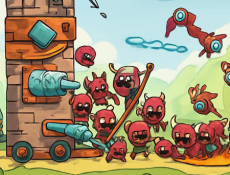
Tower vs Goblins is a defensive strategy game focused on protecting a central tower from continuous enemy attacks. The player’s main task is to stop waves of goblins that move toward the tower along predefined paths. Combat unfolds in real time, and each wave becomes progressively more difficult. The game combines elements of tower defense and light action, requiring players to react quickly while also planning upgrades and placements in advance. Sessions are structured around repeated waves rather than isolated levels, which emphasizes long-term survival.
Core Mechanics and Enemy Waves
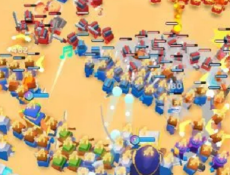
At the start of each wave in Tower vs Goblins, enemies approach the tower from one or multiple directions. Goblins vary in speed, durability, and special behavior, which affects how defenses should be arranged. The player can attack directly while also relying on automated defensive elements. Because waves arrive continuously, there is limited time to adjust strategy between them. Mistakes in positioning or upgrade choices often become visible several waves later, encouraging careful planning rather than short-term decisions.
Defense Systems and Player Control
Defense in Tower vs Goblins is built around combining direct attacks with static structures. The player usually controls a central character or weapon attached to the tower, while additional defenses provide support damage. Resource management plays a key role, as upgrades and new structures require currency earned from defeating enemies. The balance between manual control and automated defense defines the overall pace of the game.
During progression, players typically focus on several core systems:
- Increasing damage output to handle stronger waves
- Improving attack speed or projectile count
- Reinforcing tower durability
- Expanding defensive coverage around the tower
These systems interact with each other, making upgrade order an important strategic choice.
Progression and Difficulty Scaling
As the game continues, Tower vs Goblins introduces stronger enemy types and higher wave density. Difficulty increases through enemy health scaling, new attack patterns, and reduced recovery time between waves. Progression is persistent within a run, meaning that choices compound over time. The game does not rely on complex skill trees but instead uses incremental upgrades that are easy to understand and compare. This keeps decision-making clear even as difficulty rises.
Accessibility and Session Structure
Tower vs Goblins is designed for short and medium-length play sessions. Controls are simple and generally based on mouse or touch input, depending on platform. The interface presents essential information such as incoming waves, available upgrades, and resource counts without interrupting gameplay. Because of its browser-based format, the game is accessible without installation and can be played casually or more strategically depending on player preference.
Comments (0)


2026
