




Ultimate Flash Face is a browser-based creative game that focuses on assembling a human face from predefined visual elements. The experience does not involve levels, scores, or time limits and instead centers on user-driven construction. Players begin with an empty face template and gradually build a portrait by selecting individual features. The game functions as a visual composition tool where attention is placed on structure, proportion, and arrangement rather than competition or progression.


Ultimate Flash Face
Advertisement
Advertisement

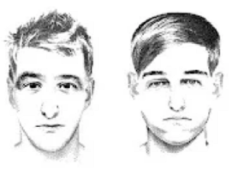
Ultimate Flash Face is a browser-based creative game that focuses on assembling a human face from predefined visual elements. The experience does not involve levels, scores, or time limits and instead centers on user-driven construction. Players begin with an empty face template and gradually build a portrait by selecting individual features. The game functions as a visual composition tool where attention is placed on structure, proportion, and arrangement rather than competition or progression.
Interface Layout and Interaction Model
The interface in Ultimate Flash Face is organized to support quick access to all available features. Facial elements are grouped into clear categories, allowing users to switch between eyes, noses, mouths, and other parts without leaving the main screen. Interaction relies on simple mouse controls, primarily clicking and dragging components into position. Elements can be moved freely within the face area, enabling fine adjustments to spacing and alignment. This layout keeps interaction straightforward and avoids unnecessary menus or complex settings.
Available Components and Customization
Customization in Ultimate Flash Face is achieved by combining modular facial parts. Each feature is presented as a separate element that can be layered onto the base face. The core component groups include:
- Multiple eye styles with varied shapes and spacing
- Different nose designs with distinct outlines
- Mouth options representing various expressions
- Hair styles that change overall head shape
- Extra details such as eyebrows, glasses, or facial hair
These components can be mixed without restrictions, allowing users to explore a wide range of visual outcomes.
Creative Process and User Freedom
The game places no limitations on how features should be combined, encouraging experimentation through replacement and repositioning. Users can remove or swap elements at any point during the process, making the experience flexible and iterative. Because there is no goal state, the creative process is defined entirely by personal preference. Small changes to individual features can significantly alter the overall appearance, which makes observation and adjustment an important part of interaction.
Output and Final Composition
Once a face is completed, it exists as a static composite image formed from layered elements. The game does not include animation or behavioral responses after completion. In some versions, users can capture or save the final image for reference or sharing. The emphasis remains on the act of construction rather than on what happens after the face is finished, reinforcing the tool-like nature of the experience.
Comments (0)
2026
