











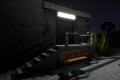
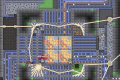

Unteralterbach is a narrative-focused exploration game built around atmosphere, environment, and gradual discovery. The player enters a quiet location that appears ordinary at first, but slowly reveals deeper layers through movement and observation. There are no tutorials or direct instructions, which encourages attention to surroundings and details. Progress depends on interacting with the environment and noticing changes rather than completing tasks or reaching clear objectives. The pace remains steady, allowing the player to absorb the setting without pressure.



Unteralterbach
Advertisement

Advertisement









Environment as the Main Guide
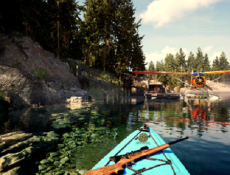
The world of Unteralterbach functions as its primary source of direction. Instead of markers or objectives, the player is guided by visual cues and environmental layout. Paths, buildings, and subtle changes in scenery suggest where to go next. The game relies on spatial awareness and memory rather than mechanical skill. Movement is simple, but understanding where to go requires patience and observation. The lack of dialogue or explicit guidance places responsibility on the player to interpret what the environment communicates.
Interaction and Player Behavior
Interaction in Unteralterbach is limited but meaningful. The player is not overwhelmed with actions, which makes each interaction more noticeable. Objects and areas react subtly, often changing the atmosphere or unlocking further exploration. The absence of traditional puzzles keeps the focus on discovery rather than problem-solving.
Core interaction elements include:
- exploring connected locations
- observing environmental changes
- triggering events through movement
- interpreting visual and spatial clues
These mechanics form a loop where progress comes from awareness rather than speed or accuracy. The game encourages slow exploration and careful attention to detail.
Visual Structure and Sound Design
The visual presentation of Unteralterbach is restrained and deliberate. Colors are muted, and environments are designed to feel grounded and consistent. Lighting plays an important role in directing attention and shaping mood. Sound is used sparingly, often limited to ambient noise that reinforces the sense of place. There is little background music, which allows environmental sounds to define the atmosphere and support immersion.
Comments (0)


2026
