










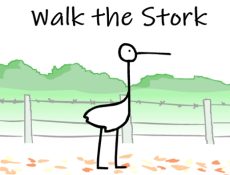
From the first seconds, Walk The Stork places the player in a situation where control matters more than speed. The game does not explain much and does not guide the player step by step. Instead, it offers a simple task that becomes clear through action: keep the stork upright and moving forward. The bird stands on narrow surfaces, and even a small mistake can end the attempt. This approach makes the game feel direct and mechanical, where success depends entirely on how well the player understands movement and balance.


Walk The Stork
Advertisement
Advertisement





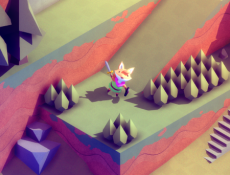
Balancing Instead of Racing
Unlike many casual games that rely on quick reactions, Walk The Stork focuses on controlled motion. The stork moves slowly, and the player must constantly adjust its position to prevent falling. There are no enemies or obstacles that attack directly. The challenge comes from the environment itself and from the physics-like behavior of the character. Each step requires attention, and rushing usually leads to failure. This creates a rhythm where patience becomes more important than speed.
What the Player Actually Does
The gameplay loop is simple but demanding. The player repeats the same type of actions, but each mistake provides feedback that helps improve the next attempt.
Key interactions in the game include:
- guiding the stork forward step by step
- maintaining balance on narrow paths
- correcting movement after small shifts
- restarting after falling to improve control
These actions form the core of the experience. There are no upgrades, abilities, or shortcuts. Progress depends only on how accurately the player handles movement.
Visual Logic and Feedback
The visual side of Walk The Stork is kept minimal to avoid distractions. The background does not compete for attention, and the focus stays on the stork and the surface beneath it. Animations clearly reflect balance changes, making it easy to understand why a fall happens. The game avoids unnecessary effects, which helps maintain clarity during play. Sound is used sparingly and mainly serves as feedback for movement or failure.
How the Game Feels to Play
Walk The Stork delivers a controlled and repetitive experience built around precision. It does not try to surprise the player with new mechanics or story elements. Instead, it challenges consistency and focus. The game works well for short sessions but can also hold attention through repeated attempts to improve performance. Its simplicity makes it accessible, while its strict movement system gives it enough depth to remain engaging over time.
Comments (0)


2026
