










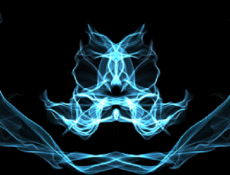
Weavesilk is an interactive visual application built around real-time pattern generation through direct input. From the first interaction, the user is presented with an empty canvas that reacts immediately to movement. Lines appear and multiply according to predefined symmetry rules, forming mirrored structures as the cursor or touch point moves across the screen. There are no objectives, scores, or progression systems, which places full attention on the act of interaction itself rather than on completion or evaluation.


Weavesilk
Advertisement
Advertisement






Weavesilk is an interactive visual application built around real-time pattern generation through direct input. From the first interaction, the user is presented with an empty canvas that reacts immediately to movement. Lines appear and multiply according to predefined symmetry rules, forming mirrored structures as the cursor or touch point moves across the screen. There are no objectives, scores, or progression systems, which places full attention on the act of interaction itself rather than on completion or evaluation.
Input And Symmetry Logic
The core system translates motion into visual output without delay. Every gesture is reflected across one or more axes, depending on the active symmetry mode. This behavior remains consistent, allowing users to anticipate how patterns will form while still producing varied results. Speed, direction, and continuity of movement all influence the resulting shapes. Because the rules do not change during use, understanding comes through observation rather than instruction or trial-based learning.
Controls And Visual Adjustment
Interaction is supported by a limited set of controls that affect appearance but not behavior. These options are always accessible and can be changed during active drawing without interruption. Adjustments alter how lines are rendered, making it possible to explore different visual results while maintaining the same interaction model. In regular use, the experience is defined by a small group of repeated actions:
- selecting symmetry and reflection modes
- adjusting line thickness and color response
- clearing the canvas to restart
- modifying input sensitivity
This set of actions represents the full scope of control available to the user.
Session Structure And Continuity
Each session in Weavesilk exists independently and does not rely on saved states or accumulated progress. Closing and reopening the application returns the canvas to its initial state with all options available. There are no locked features or staged access to tools. This structure allows sessions to be short or extended without changing how the system behaves. Interaction length is determined entirely by user choice rather than external constraints.
The interface is minimal and designed to keep focus on the canvas. Controls are positioned around the drawing area to avoid obstructing visual output. There are no prompts, notifications, or indicators guiding behavior. Feedback is delivered only through visual change, reinforcing a direct relationship between action and response.
Comments (0)


2026
