











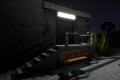
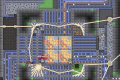

Welcome To The Game 3 continues the series’ focus on digital exploration and high-risk decision making. The player is placed into a controlled environment where access to information is both a tool and a threat. Progress depends on understanding how systems interact rather than reacting quickly. From the beginning, the game establishes a sense of isolation, with the player relying only on a computer interface and limited guidance to move forward. The absence of direct instructions reinforces the idea that every action must be considered carefully.



Welcome To The Game 3
Advertisement

Advertisement



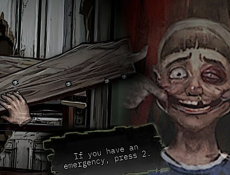
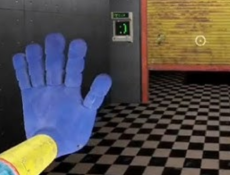



Game Structure And Progression
The structure of the game is built around gradual advancement through interconnected tasks. Players navigate a simulated online network while completing objectives tied to data collection and system access. Each completed action opens new possibilities but also increases exposure to potential dangers. There is no traditional mission system; instead, progress is defined by how effectively the player manages time, information, and risk.. This approach encourages observation and planning rather than trial-and-error gameplay.
Core Mechanics And Interaction
Welcome To The Game 3 relies on layered mechanics that operate simultaneously. The player must monitor different elements at once, balancing progress with security. Decisions often have delayed consequences, making it necessary to think ahead. The game avoids hand-holding, requiring players to learn systems through use and failure rather than tutorials.
Key mechanics include:
- Accessing and analyzing hidden network content
- Managing digital tools and limited resources
- Responding to system alerts and interruptions
- Choosing actions that influence long-term outcomes
- Tracking objectives without direct guidance
Tension And System Design
Tension in Welcome To The Game 3 comes from unpredictability rather than direct threats. The game uses sound cues, interface changes, and sudden interruptions to create pressure. Because threats are not always visible, players must rely on patterns and timing to avoid negative outcomes. This design keeps the experience focused on awareness and restraint instead of reaction speed.
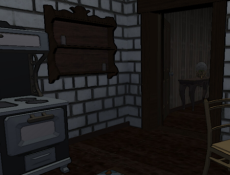
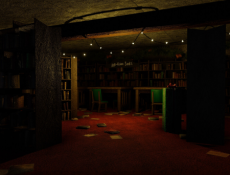
The environment itself plays a major role in maintaining unease. Minimal visuals and repetitive tasks create a sense of routine, which is gradually disrupted by unexpected events. The lack of clear explanations forces players to interpret what is happening, making each decision feel more significant.
Comments (0)


2026
