








Wuthering Waves is an action RPG that takes place in a world recovering from a large-scale collapse. The player controls a character known as Rover, who wakes up with limited memories and begins exploring a landscape shaped by both technology and destruction. The game does not force a strict narrative order, allowing players to progress through exploration, combat, and discovery. Instead of focusing on linear storytelling, it builds engagement through world interaction and gradual system mastery.


Wutheringwaves
Advertisement
Advertisement

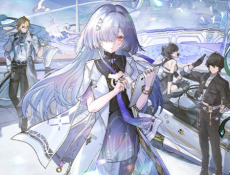
Wuthering Waves is an action RPG that takes place in a world recovering from a large-scale collapse. The player controls a character known as Rover, who wakes up with limited memories and begins exploring a landscape shaped by both technology and destruction. The game does not force a strict narrative order, allowing players to progress through exploration, combat, and discovery. Instead of focusing on linear storytelling, it builds engagement through world interaction and gradual system mastery.
World Structure And Exploration
Exploration plays a central role in how Wuthering Waves unfolds. The game world is divided into open regions that encourage free movement and discovery. Players can climb terrain, navigate ruins, and reach elevated areas using traversal mechanics designed to keep movement fluid. Hidden paths, side activities, and environmental challenges are scattered throughout the map, giving players reasons to revisit earlier locations. The environment itself communicates much of the world’s history, allowing players to piece together context without heavy reliance on dialogue.
Gameplay Systems Overview
Several interconnected systems shape the core gameplay experience:
- Open-world exploration with vertical movement
- Real-time combat with character switching
- Team building using different Resonators
- Equipment and enhancement progression
- Echo system that modifies combat behavior
These systems work together to create a gameplay loop where exploration leads to combat, combat leads to progression, and progression opens new areas of the world.
Combat Flow And Character Design
Combat in Wuthering Waves focuses on timing, positioning, and efficient use of abilities. Players can switch between characters during fights, allowing for coordinated attacks and ability combinations. Each character has a distinct role, encouraging experimentation with team composition. Enemy behavior varies across regions, requiring players to adapt their tactics rather than rely on repetitive strategies. Larger encounters introduce mechanics that test movement control and situational awareness.
Character growth is tied to both combat performance and exploration. Abilities, equipment, and enhancements can be improved over time, giving players flexibility in how they develop their team. This system supports multiple playstyles without forcing a single optimal approach.
Progression And Player Engagement
Progression in Wuthering Waves is designed to feel organic. Instead of locking advancement behind rigid requirements, the game rewards curiosity and consistent exploration. New features and systems are introduced gradually, helping players learn mechanics without being overwhelmed. Side activities, challenges, and optional content provide additional goals beyond the main storyline.
The game’s structure encourages long-term engagement through regular updates and expanding content. Players can return to improve builds, explore new regions, or experiment with different character combinations.
Comments (0)


2026
