


















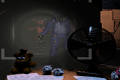


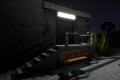
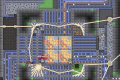
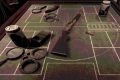
Disaster Arena is a competitive survival game where players are placed inside a confined map and must remain active while avoiding environmental hazards. The core idea is not direct combat but survival under changing conditions. Each round introduces different types of disasters that affect movement and positioning. The player’s objective is to stay within safe zones, react to sudden threats, and outlast other participants until the round ends.



Disaster Arena
Advertisement

Advertisement
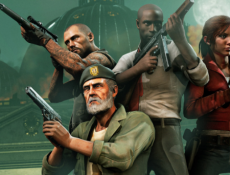
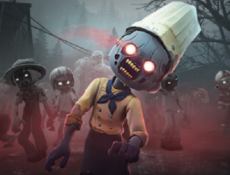
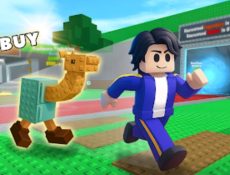



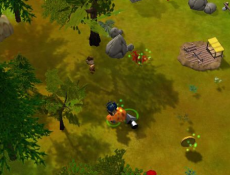
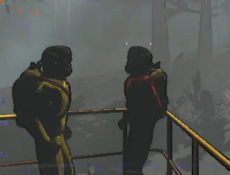

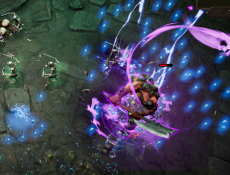
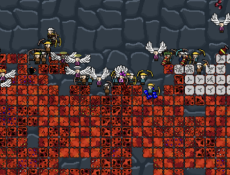
Disaster Arena is a competitive survival game where players are placed inside a confined map and must remain active while avoiding environmental hazards. The core idea is not direct combat but survival under changing conditions. Each round introduces different types of disasters that affect movement and positioning. The player’s objective is to stay within safe zones, react to sudden threats, and outlast other participants until the round ends.
Core Gameplay Structure
The gameplay loop is based on short rounds with randomized hazard patterns. Players spawn in a shared arena and must immediately assess the environment. Hazards can appear without warning, forcing quick repositioning. Movement and awareness are more important than precise mechanics, as survival depends on reading the situation and reacting in time. The round continues until only one player remains or the timer expires.
Environmental Hazards and Variations
Each session includes a set of disasters that alter the arena. These hazards can affect visibility, terrain stability, or player movement. Because the types and timing of events change, players cannot rely on fixed strategies. Instead, they must adapt to each situation as it develops.
- Falling objects that restrict safe areas
- Expanding danger zones that force movement
- Temporary obstacles that block paths
- Reduced visibility during certain events
- Sudden changes in terrain or platform layout
Multiplayer and Interaction
Disaster Arena is designed for multiplayer sessions where players compete in real time. Interaction between players is indirect, as positioning and movement can influence others without direct attacks. For example, occupying a safe area may limit space for others, increasing their risk. This creates a dynamic where awareness of both the environment and other players is necessary.
Replayability and Session Design
Replayability comes from the randomized nature of disasters and player behavior. Each round presents a different combination of hazards, which changes pacing and difficulty. The short match structure allows multiple rounds in a single session, supporting repeated play without long-term commitment.
Comments (0)


2026
