















That’s Not My Mom!
Advertisement
Advertisement
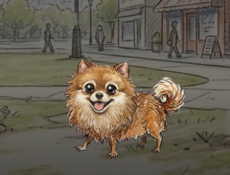
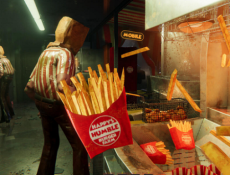
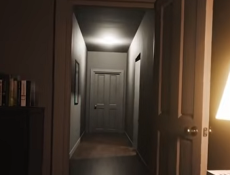
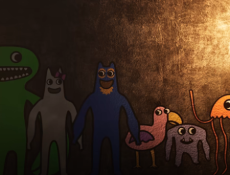

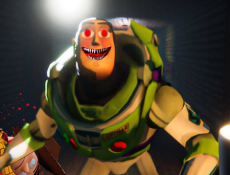



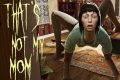
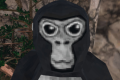
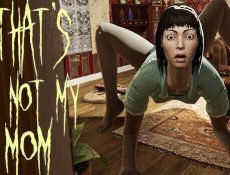
That’s Not My Mom! is a first-person psychological horror game where your main objective is to determine whether the person standing before you is really your mother or something pretending to be her. Instead of relying on jump scares alone, the game creates tension through observation and decision-making. Every encounter forces you to study facial expressions, body language, voice, and subtle details that may reveal an impostor. Some differences are immediately noticeable, while others are carefully hidden, making every choice feel uncertain. One wrong decision can let the wrong creature inside, while rejecting your real mother has its own consequences. This simple concept quickly becomes much more stressful as the game introduces increasingly convincing mimics that blur the line between reality and deception.
Spot the Differences Before It’s Too Late
The core gameplay revolves around careful inspection rather than fast reflexes. Each visitor may have unusual eyes, unnatural skin, strange movements, or tiny visual inconsistencies that hint something is wrong. As the game progresses, these clues become more subtle, forcing players to pay attention to every detail instead of rushing through encounters. The challenge comes from learning the patterns while remaining alert for new anomalies that appear later in the game. Every successful identification builds confidence, but the next encounter often introduces an entirely different trick designed to catch you off guard. Because of this, every decision feels meaningful, and tension continues to grow even after you’ve learned the basic mechanics.
Atmosphere That Keeps You Uncomfortable
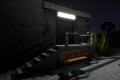
Rather than filling every moment with loud scares, That’s Not My Mom! focuses on creating a constant feeling that something is deeply wrong. Quiet rooms, dim lighting, unsettling sound effects, and long moments of silence make every knock on the door feel threatening. The game uses environmental storytelling to suggest that an unknown force is replacing familiar people, leaving players to imagine what has happened outside. The limited setting helps maintain focus on the characters and the unsettling interactions instead of distracting the player with unnecessary exploration. Every conversation and every close look at a face becomes part of the horror, making even ordinary situations feel disturbing.
Increasing Difficulty and Replay Value
Each new sequence introduces additional variations, making it harder to rely on memory alone. Different appearances, random anomalies, and unpredictable encounters encourage players to stay observant from beginning to end. The game rewards patience, attention to detail, and logical thinking rather than quick reactions, giving it a unique identity among indie horror titles. Since encounters can play out differently across multiple sessions, replaying the game remains engaging as you search for new anomalies and improve your ability to recognize impostors. For players who enjoy psychological horror, observation-based gameplay, and suspense built through uncertainty instead of constant action, That’s Not My Mom! delivers a memorable experience that keeps you questioning every face standing at the door.