























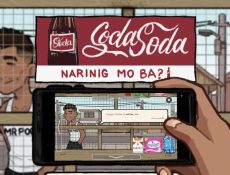
Narinig Mo Ba? is a story-driven psychological horror game that combines the everyday responsibilities of running a small Filipino convenience store with a disturbing mystery hidden beneath ordinary neighborhood life. You take on the role of a sari-sari store owner, serving customers, handling their purchases, and listening to conversations about the people living nearby. What initially appears to be a relaxing shop simulator gradually develops into something much darker as seemingly harmless gossip begins revealing connections between the neighborhood’s residents and a tragic event.



Narinig Mo Ba?
Advertisement
Advertisement


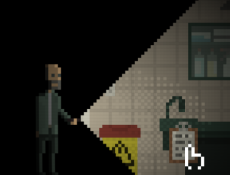

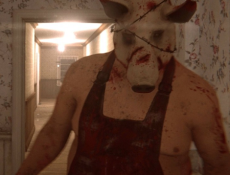




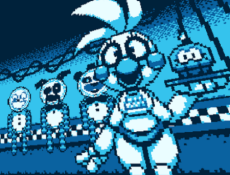

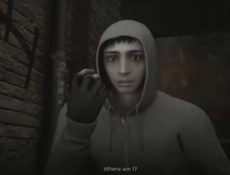
Narinig Mo Ba? is a story-driven psychological horror game that combines the everyday responsibilities of running a small Filipino convenience store with a disturbing mystery hidden beneath ordinary neighborhood life. You take on the role of a sari-sari store owner, serving customers, handling their purchases, and listening to conversations about the people living nearby. What initially appears to be a relaxing shop simulator gradually develops into something much darker as seemingly harmless gossip begins revealing connections between the neighborhood’s residents and a tragic event.Unlike traditional horror games built around escaping monsters or exploring abandoned buildings, Narinig Mo Ba? uses an ordinary neighborhood store as its primary setting. Most of your time is spent behind the counter, interacting with familiar customers and completing simple transactions. However, the conversations accompanying these purchases become increasingly important. Every visitor potentially brings new information, and details that initially sound like meaningless neighborhood rumors gradually contribute to a larger story. The game encourages you to pay attention to what people say, remember information from previous encounters, and recognize how seemingly unrelated conversations might be connected.
Running a Filipino Sari-Sari Store
The main gameplay takes place inside a sari-sari store, a traditional Filipino neighborhood shop selling everyday necessities in small quantities. Your responsibilities involve serving the people who stop by, finding requested products, checking their prices, and completing transactions. Customers approach the counter with different requests, and you must locate the appropriate items among the products displayed inside the store. The basic process is straightforward, allowing you to become familiar with the shop before the psychological horror elements begin taking over.
The store itself provides a recognizable environment filled with packaged goods and everyday household products. Instead of managing a large supermarket with complicated inventory systems, you operate a small establishment where personal interaction is an important part of business. Customers are not anonymous figures who appear solely to purchase something. They are members of the surrounding community, and their conversations gradually establish the relationships, problems, and rumors circulating throughout the neighborhood.
This combination of ordinary shopkeeping and storytelling is central to the experience. Serving customers gives the game its interactive structure, while listening to them provides the information necessary to understand what is happening outside the store.
Customers Bring More Than Shopping Lists
Every customer interaction has two purposes. The immediate objective is to provide the requested product, but the conversation surrounding that transaction may reveal something about the neighborhood. Regular visitors discuss local events, share information about other residents, and sometimes mention circumstances that seem insignificant until additional details emerge.
Because these conversations take place during ordinary purchases, important information is presented naturally rather than through lengthy explanations. A customer might arrive to buy something inexpensive, exchange a few words with you, and leave behind a detail that becomes relevant much later. Another visitor may provide a different perspective on the same situation, encouraging you to reconsider what you previously believed.
The game gradually transforms routine customer interactions into opportunities for investigation. You are still responsible for operating the shop, but understanding the story requires treating conversations as more than background dialogue. The neighborhood’s secrets emerge through the people who visit your counter.
Listen Carefully to Neighborhood Gossip
Gossip plays a major role in Narinig Mo Ba?, and even the game’s title reflects this central idea. The Filipino expression translates approximately to “Did you hear?” and captures the familiar way rumors spread through small communities. People exchange information, repeat stories they have heard from others, and form opinions about events they may not fully understand.
As the shopkeeper, you occupy a particularly interesting position within this environment. Your business attracts different residents, giving you access to conversations that might never occur if everyone remained inside their own homes. The store becomes an informal meeting point where news travels between neighbors and personal information gradually becomes public knowledge.
However, gossip is not necessarily reliable. Someone may misunderstand what happened, omit an important detail, or repeat information without knowing its original source. As the story progresses, you need to consider how different conversations relate to one another rather than assuming that every statement provides a complete explanation.
The mystery develops through this accumulation of information. What initially sounds like ordinary neighborhood chatter slowly reveals that something serious has happened within the community.
Find the Correct Products
Although the story is the main attraction, Narinig Mo Ba? includes interactive shopkeeping mechanics that give you something to do during conversations. Customers request particular products, and you must identify the correct items among the goods available inside the store. Similar packaging can make certain products easy to confuse, so reading each request carefully is important.
The mouse controls allow you to interact directly with the shop’s inventory. You can select products, inspect prices, and return items when necessary. These interactions are relatively simple, but they provide a practical connection between the player and the setting. Instead of watching every customer conversation as a passive observer, you participate in the everyday work of running the business.
The product-selection mechanics also establish a routine that makes the later horror more effective. After serving several customers, you become familiar with the process and begin expecting similar interactions. The game uses that familiarity to introduce unsettling developments without immediately abandoning its shop simulator structure.
A Familiar Neighborhood With Hidden Problems
The neighborhood surrounding your store initially appears to be an ordinary residential community. People know one another, visit local businesses, and exchange information about everyday events. This familiarity creates the impression of a relatively comfortable environment where the biggest concerns involve customer requests and neighborhood conversations.
However, the community is hiding something considerably more serious. As you continue serving customers, fragments of information begin suggesting that certain events are connected. Details that previously seemed unimportant acquire new meaning, and the friendly atmosphere gradually becomes more uncomfortable.
The story revolves around the consequences of a desperate act of survival that has affected the surrounding community. Discovering what happened requires understanding the people involved and the circumstances that brought them into the situation. Rather than revealing everything immediately, the game allows the mystery to develop through ordinary conversations and increasingly disturbing discoveries.
Psychological Horror Behind an Ordinary Routine
Narinig Mo Ba? builds tension by making its familiar setting feel progressively less comfortable. The store does not initially resemble a typical horror location. Its colorful products, recognizable surroundings, and casual customer interactions create an atmosphere closer to a cozy simulation game than a frightening adventure.
That contrast is intentional. As the story develops, the same environment begins feeling different because your understanding of the neighborhood has changed. Ordinary conversations become suspicious, previously harmless details gain disturbing implications, and the familiar routine of serving customers no longer provides the same sense of security.
The horror depends heavily on context. A conversation that might seem completely normal at the beginning can become unsettling once you understand the circumstances surrounding it. The game uses information and anticipation to create tension, making the player increasingly aware that the neighborhood’s friendly appearance does not tell the entire story.
Dialogue Is the Key to Understanding the Story
Narinig Mo Ba? uses visual novel elements to develop its narrative. Conversations are not simply decorative text appearing between gameplay sections. They are the primary way the player learns about the neighborhood, its residents, and the circumstances surrounding the central mystery. Paying attention to dialogue is therefore just as important as completing customer transactions.
During conversations, you encounter opportunities to respond to the people visiting your store. These interactions help establish the relationship between the shopkeeper and the surrounding community while allowing the story to progress. Rather than rushing through every exchange, it is worth considering what each customer says and how that information relates to previous encounters.
The game gradually builds a network of connections between different characters. Someone mentioned during an earlier conversation may become relevant when another customer visits. A seemingly insignificant detail may help explain an unusual statement made later. The narrative rewards careful reading because understanding the relationships between residents is essential to following the mystery.
An Ordinary Shop Becomes the Center of a Mystery
One of the most interesting aspects of Narinig Mo Ba? is how much of its story develops without requiring the player to leave the store. In many horror games, investigating a mystery means traveling between different locations, collecting evidence, and searching abandoned buildings. Here, much of the information comes directly to you through customers.
The store’s position within the neighborhood makes this possible. Different residents visit throughout the story, bringing their own experiences and knowledge of local events. Each interaction adds another perspective, gradually allowing you to construct a more complete picture of the community.
This structure also creates an unusual sense of vulnerability. You remain responsible for operating the business even as the conversations become increasingly disturbing. The familiar counter that initially separates you from customers eventually feels less reassuring, particularly as the story begins revealing the consequences of the events affecting the neighborhood.
The Importance of Everyday Details
Narinig Mo Ba? encourages players to notice information that might seem insignificant in a more conventional horror game. A customer’s choice of words, an unexpected reference to another resident, or a change in the subject of a conversation can become meaningful once additional information is revealed.
Because the story unfolds through repeated interactions, remembering previous conversations helps you recognize connections. The game does not require complex combat strategies or fast reactions to understand its central mystery. Instead, it places greater importance on observation and following the narrative.
The shopkeeping mechanics support this approach by providing a consistent routine. You repeatedly select products and complete purchases, becoming comfortable with the process while the dialogue gradually introduces new developments. The contrast between familiar actions and increasingly uncomfortable information creates much of the game’s psychological tension.
Filipino Culture and the Sari-Sari Store Setting
The Filipino setting is an important part of Narinig Mo Ba?’s identity. A sari-sari store is more than a place where people purchase groceries and household necessities. In many neighborhoods, these small shops also function as informal social spaces where residents exchange news and discuss everyday events.
The game uses this cultural context to make its storytelling feel connected to the environment. Customers visit for ordinary purchases, but their conversations naturally introduce the relationships and rumors circulating throughout the neighborhood. The shopkeeper becomes someone who regularly encounters different members of the community and hears information that might otherwise remain private.
The dialogue and visual presentation reinforce this identity. Instead of placing a generic horror story inside an interchangeable convenience store, the game uses a recognizable Filipino neighborhood environment as the foundation of its mystery. The setting is essential to understanding why gossip spreads so naturally and why the shopkeeper becomes involved in events that initially appear unrelated to the business.
A Gradual Change in Atmosphere
The transition from cozy shop simulator to psychological horror is one of the defining elements of the experience. Narinig Mo Ba? does not begin by immediately exposing the player to its darkest material. It first establishes the shop, introduces its regular customers, and allows the routine of serving people to become familiar.
As more conversations take place, the atmosphere begins changing. The information customers share becomes increasingly important, and the connections between different stories suggest that the community is dealing with something far more serious than ordinary neighborhood gossip.
The game relies on this gradual accumulation of information rather than constantly introducing new gameplay systems. You continue performing recognizable tasks, but the meaning of the conversations changes as the narrative develops. By maintaining the familiar shopkeeping structure, the game makes the contrast between its welcoming presentation and disturbing subject matter more noticeable.
A Story About Desperation and Consequences
Beneath the colorful presentation and ordinary customer interactions, Narinig Mo Ba? explores a tragic situation involving desperation and its consequences. The central mystery is connected to an act of survival that sets off a chain of events affecting the surrounding community.
The story gradually reveals how different people are connected to those events. Conversations that initially appear unrelated begin contributing to the same larger narrative, encouraging the player to reconsider earlier assumptions about the neighborhood and its residents.
Rather than treating the horror as an isolated supernatural encounter, the game connects its disturbing developments to the people who inhabit the community. Understanding what happened requires following their stories and recognizing how the consequences of one event can extend beyond those directly involved.
A Short Horror Experience With a Complete Story
Narinig Mo Ba? is designed as a relatively short, story-focused experience rather than an extensive business management simulator. Its limited scope allows the developers to concentrate on customer interactions, atmosphere, and the gradual revelation of the central mystery.
The shopkeeping mechanics remain accessible throughout the game. You do not need to master complicated financial systems, build an enormous inventory, or develop an extensive business expansion strategy. The store provides the setting and interactive structure for a narrative in which conversations matter more than commercial success.
This focused design also makes the story suitable for a single sitting. You can follow the progression of neighborhood gossip, become familiar with recurring customers, and experience the changing atmosphere without spending hours learning unrelated gameplay mechanics.
Discover the Truth Behind the Gossip
The main objective in Narinig Mo Ba? extends far beyond successfully operating a small neighborhood store. As customers continue visiting, you gradually uncover information about the people living nearby and the disturbing events connecting them.
Each conversation potentially contributes another piece of the mystery. Some details appear important immediately, while others become meaningful only after additional encounters. The challenge is understanding how the information fits together and recognizing that the community’s apparently ordinary daily life conceals something much darker.
The game combines the accessibility of a simple shop simulator with the narrative structure of a psychological horror visual novel. You serve customers, find products, check prices, participate in conversations, and gradually discover why the neighborhood’s gossip deserves your attention.
What begins as an ordinary day behind the counter eventually becomes a disturbing investigation into desperation, community secrets, and the consequences of actions that cannot easily be undone. Narinig Mo Ba? demonstrates how a familiar place and a handful of everyday conversations can form the foundation of a psychological horror story without relying on extensive exploration or complicated action mechanics.
The more you listen, the more you understand why certain things should perhaps have remained unspoken.
Comments (0)


2026
