
























The Stalked 3
Advertisement

Advertisement







The Stalked 3 – You Never Know When Someone Is Watching
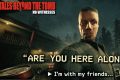
The Stalked 3 is a psychological horror experience built around one of the most uncomfortable fears imaginable: realizing that somebody is following you. Instead of relying only on monsters jumping out of dark corridors, the game creates tension through uncertainty. Strange behavior, suspicious encounters, unsettling locations, and the constant feeling that something is wrong gradually turn ordinary moments into situations where you no longer feel safe.
The horror works because danger does not always announce itself. You can enter a room and find nothing obviously threatening, yet still hesitate before moving farther. A sound from somewhere nearby suddenly becomes important. An unfamiliar person attracts your attention. A place that looked harmless minutes earlier begins to feel completely different once you suspect that you are not alone.
The Stalked 3 continues the identity of the series with another story-driven horror scenario where observation matters and seemingly small details can signal that the situation is becoming much more dangerous.
Horror That Starts With Suspicion
The Stalked 3 does not need to reveal everything immediately. Much of the tension comes from the period before you fully understand what is happening.
At first, something may simply seem unusual.
Maybe you notice a suspicious detail.
Maybe somebody behaves strangely.
Maybe you hear something that should not be there.
One incident can be ignored. When more begin to appear, however, coincidence becomes harder to believe.
That gradual escalation is particularly effective in psychological horror because the player starts questioning everything. Once you believe somebody could be watching, even completely ordinary locations stop feeling comfortable.
Explore and Pay Attention to Your Surroundings
Exploration plays an important role throughout The Stalked 3. Moving through different locations is not simply about reaching the next objective. You need to remain aware of what is happening around you.
Look carefully at rooms before leaving them. Notice objects that seem important and remember details that could become relevant later. When returning to a familiar location, check whether anything has changed.
Small environmental differences can become much more disturbing when the game has already made you suspicious.
A door you do not remember leaving open.
An unexpected noise.
Something appearing where it was not before.
A figure you are not sure you actually saw.
The game uses these moments to keep you uncomfortable even when there is no immediate threat directly in front of you.
The Feeling of Being Followed
The central idea behind The Stalked series is effective because stalking is a threat that can feel frightening without requiring anything supernatural.
You do not necessarily know where the person is.
You do not know what they want.
And most importantly, you cannot be certain when you are actually safe.
That uncertainty changes the way you explore. Instead of casually walking through an area, you begin checking your surroundings and paying attention to possible escape routes.
Even silence becomes suspicious.
The longer the tension continues, the more your imagination begins working against you.
Story and Exploration Work Together
The Stalked 3 is not simply a collection of unrelated scares. The story gives context to the locations you visit and the events occurring around you.
Information is gradually revealed as you progress. Conversations, environmental clues, interactions, and important events help build a clearer picture of the situation.
This means rushing through every area can make the experience less interesting. Players who investigate their surroundings have a better opportunity to notice details and understand how different events connect.
The game wants you to experience the story from inside the situation rather than simply watch it through long cinematic sequences.
Ordinary Places Become Uncomfortable
Some of the most effective horror environments are not abandoned castles or underground laboratories. They are places that should feel normal.
A familiar building.
A quiet street.
A room where nothing appears dangerous.
The Stalked 3 can use this familiarity against the player. When something threatening enters an ordinary environment, the contrast makes it more disturbing.
You understand how the location should feel.
When it stops feeling that way, you notice immediately.
This is especially effective when the game allows tension to build before anything dramatic occurs. You may know that something is coming without knowing exactly when it will happen.
Sound Can Be a Warning
Playing The Stalked 3 with headphones can make its atmosphere considerably more intense.
Audio gives you information that you may not immediately see. Footsteps, environmental noises, movement, doors, and sudden changes in background sound can make you stop and listen before continuing.
Sometimes a noise signals something important.
Sometimes it does not.
The problem is that you cannot always know which is which.
That uncertainty means even harmless sounds can make you nervous. Once the game establishes the possibility of danger, your brain starts interpreting every unusual noise as a potential warning.
Do Not Ignore Strange Details
The safest approach in The Stalked 3 is to remain observant.
If something seems unusual, remember it.
If somebody behaves suspiciously, pay attention.
If an environment looks different when you return, investigate before assuming that nothing happened.
The game rewards the kind of player who notices small changes instead of waiting for an obvious horror event to appear directly in front of them.
While exploring, watch for:
- unusual movement around your location;
- suspicious characters;
- environmental changes;
- important objects and clues;
- unexpected sounds;
- places that could hide a threat;
- anything that appears where it should not be.
You will not necessarily know immediately which details matter. That is part of the tension.
A Slow Build Can Be Scarier Than a Jumpscare
A jumpscare lasts a few seconds.
Suspicion can last for an entire scene.
The Stalked 3 benefits from allowing fear to develop gradually. When players expect danger but cannot identify exactly where it will come from, they become active participants in creating the tension.
You start checking corners yourself.
You hesitate before opening doors.
You look behind you even when the game has given you no explicit reason to do so.
That psychological effect can make relatively quiet moments feel more stressful than scenes filled with obvious threats.
When the Situation Escalates
The feeling of being watched cannot remain only a suspicion forever. As events develop, the danger becomes harder to dismiss.
The transition from “something feels wrong” to “I need to get out of here” is one of the most important parts of this style of horror.
Once the threat becomes immediate, the way you interact with the environment changes. Exploration becomes more urgent. Decisions that previously felt insignificant can suddenly matter.
The atmosphere shifts from curiosity to survival.
This escalation makes earlier quiet moments more meaningful because they were preparing you for what comes later.
Why The Stalked 3 Works as Psychological Horror
The Stalked 3 understands that players do not need to see a threat constantly in order to fear it.
Sometimes knowing that somebody might be nearby is enough.
By combining story-driven progression with exploration, suspicious encounters, environmental details, and moments of direct danger, the game creates tension that can continue even when nothing is visibly attacking you.
The experience depends heavily on anticipation.
You know the situation is getting worse.
You know something could happen.
You simply do not know when.
And every additional minute of uncertainty makes the eventual confrontation feel more intense.
Take Your Time, But Never Feel Too Comfortable
Rushing through The Stalked 3 means missing much of what creates its atmosphere. Explore carefully, follow the story, inspect suspicious details, and listen to what is happening around you.
At the same time, becoming too comfortable is exactly what the game wants you to do.
The moment a location begins to feel safe, something small can make you question it again.
That constant movement between safety and suspicion defines the experience. The Stalked 3 turns observation into part of survival and makes the player wonder whether the next strange detail is meaningless—or the first warning that somebody has already found them.
Keep moving, keep watching your surroundings, and remember one thing:
just because you cannot see anyone does not mean you are alone.