
















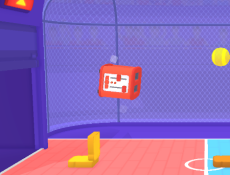
In Toasterball, a goal can happen because of a planned shot, a mistimed jump, or a piece of toast launched at the right angle. The game is a physics-based sports match where toaster characters compete around a ball and two goals. It does not have a story mode, dialogue scenes, or campaign missions. The main focus is on local matches, quick reactions, unusual movement, and changing match conditions.



Toasterball
Advertisement
Advertisement
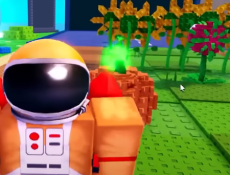


In Toasterball, a goal can happen because of a planned shot, a mistimed jump, or a piece of toast launched at the right angle. The game is a physics-based sports match where toaster characters compete around a ball and two goals. It does not have a story mode, dialogue scenes, or campaign missions. The main focus is on local matches, quick reactions, unusual movement, and changing match conditions.
Not a Normal Sports Match
The player does not control a standard athlete. Each character is a toaster, so movement is based on jumps, flips, and toast launches. These actions are used to hit the ball, block shots, or redirect play. The controls are simple, but the physics make each contact with the ball important. A small timing difference can send the ball toward the goal, into the air, or back toward the player’s own side.
What Happens on the Field
A Toasterball match can be understood through several repeated actions:
- Enter an arena with two goals.
- Control a toaster on one side of the field.
- Jump or flip to reach the ball.
- Launch toast to change the ball’s direction.
- Defend the goal when the opponent attacks.
- Score by pushing the ball into the opposite goal.
- Continue until the match reaches the winning score.
Instead of traditional levels, Toasterball uses arenas and rule variants. The player does not complete stages in a fixed order or follow a plot from one mission to the next. Match variety comes from different play spaces, toaster athletes, AI opponents, and rules that can change after goals. This makes the game more focused on repeated competitive sessions than on linear progression.
Why Each Point Can Change the Match
One important part of Toasterball is that scoring can alter the next phase of play. A new rule or variation may appear after a goal, which means players have to adjust instead of repeating the same tactic. The ball, arena, or match behavior can feel different from one point to the next, so the player needs to react to the current situation rather than rely on one fixed plan.
Learning the Toaster Physics
To play Toasterball well, the player should learn how the toaster reacts before trying to attack constantly. Staying near the goal can help with defense, while moving forward at the right moment can create a scoring chance. Toast launches are useful when they are timed with the ball’s movement, but careless launches can make the ball easier for the opponent to control. The game is easy to understand, but winning depends on timing, positioning, physics, and adapting to rule changes.
Comments (0)


2026
