
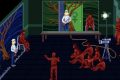















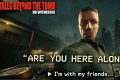









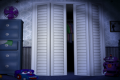
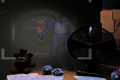


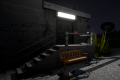
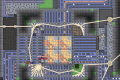

A long drive through the darkness can become unsettling when the road seems endless and the nearest town is miles away. CH13: Rest Stop transforms this familiar situation into a disturbing psychological horror experience where an ordinary break from traveling becomes the beginning of something far more sinister. The game uses the isolation of a roadside rest stop to create an atmosphere of uncertainty, making players question whether the location is genuinely safe or hiding something dangerous. What should be a brief opportunity to relax gradually turns into an experience filled with suspicion, uncomfortable discoveries, and the fear of being completely alone.



CH13: Rest Stop
Advertisement

Advertisement
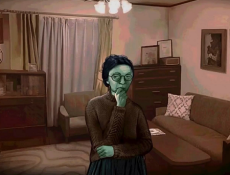




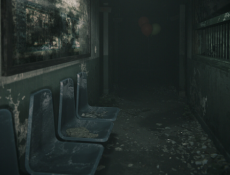
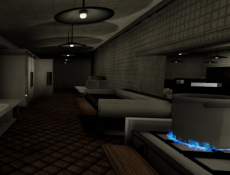

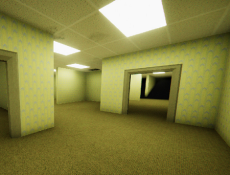
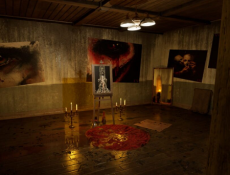
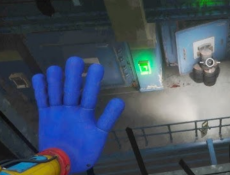

Unlike horror games that immediately introduce supernatural creatures or overwhelming action, CH13: Rest Stop draws much of its appeal from the vulnerability of its setting. A remote location at night already carries a certain uneasiness, especially when unfamiliar surroundings make it difficult to understand what might be happening nearby. The game builds upon that feeling by encouraging players to explore an environment where seemingly ordinary details can become disturbing. Its compact premise is particularly appealing to fans of atmospheric indie horror, where tension develops through exploration, environmental storytelling, and the anticipation of something going terribly wrong.
A Roadside Stop That Doesn’t Feel Safe
Roadside rest areas are designed to provide travelers with a temporary escape from the exhaustion of driving. They usually offer a place to stretch your legs, take a short break, and prepare for the next part of the journey. However, these locations can feel completely different after dark, when empty parking spaces, unfamiliar buildings, and the absence of other people create an uncomfortable sense of isolation. CH13: Rest Stop takes advantage of this contrast, transforming a place associated with convenience into an environment that encourages suspicion.
The frightening part of such a setting is how believable it feels. Most people can imagine stopping somewhere unfamiliar during a late-night journey and wondering whether they should remain there. Without the protection of a familiar neighborhood or the reassurance of nearby crowds, even small disturbances can become difficult to ignore. This grounded approach gives the horror greater impact because the situation doesn’t initially require an elaborate supernatural explanation. The ordinary environment itself provides enough uncertainty to make exploration feel increasingly uncomfortable.
Explore the Rest Stop and Investigate Your Surroundings
Exploration is central to the appeal of CH13: Rest Stop, as players are encouraged to observe their surroundings and understand the situation unfolding around them. Rather than treating the location as a simple background, the experience invites you to pay attention to environmental details that may contribute to the atmosphere or reveal something important. The arrangement of objects, the appearance of unfamiliar areas, and changes in the surrounding environment can all influence how you interpret what is happening. A location that initially seems unremarkable may feel considerably more threatening after you’ve spent time investigating it.
The key to enjoying this style of horror is resisting the temptation to rush through every scene. Moving carefully allows the environment to establish its atmosphere and makes unexpected developments more effective. When exploring unfamiliar areas, consider how each new discovery changes your understanding of the rest stop and its apparent safety. Even when nothing immediately threatening is visible, the possibility of danger can make an otherwise simple interaction feel significant. This emphasis on observation creates suspense without requiring constant action.
How to Play CH13: Rest Stop
Begin by familiarizing yourself with the available controls and any instructions presented when the game starts. As you move through the environment, examine accessible areas and interact with objects whenever the game allows it. Pay attention to visual information and environmental changes, since these can help you understand your next objective or indicate that something important has happened. The experience is best approached as a narrative horror adventure rather than a traditional action game, with patience and curiosity playing an important role in how you discover its events.
If you become uncertain about what to do next, reconsider the places you’ve already visited and look for details you may have overlooked. Horror games with compact environments frequently make effective use of familiar locations by changing their significance as the story progresses. Returning to an earlier area may reveal something that wasn’t immediately obvious during your first visit. Instead of assuming that every frightening moment requires a quick reaction, take time to determine what the situation demands and respond accordingly.
Psychological Horror Built Around Isolation
One of the strongest elements of roadside horror is the feeling that help may be difficult to reach. When you’re surrounded by darkness and unfamiliar territory, ordinary assumptions about safety become less reliable. CH13: Rest Stop uses this kind of vulnerability as the foundation for its unsettling premise, placing the player in a situation where the environment itself can generate anxiety. The absence of familiar surroundings encourages you to remain alert, while the uncertainty surrounding the location makes it difficult to know whether your concerns are justified.
Psychological horror becomes especially effective when players begin imagining threats before they actually encounter them. An empty space can feel dangerous simply because something might appear there, while an unexpected noise can interrupt an otherwise quiet moment. This form of suspense relies on anticipation rather than continuous confrontation, allowing the player’s imagination to contribute to the experience. By using a recognizable nighttime setting, CH13: Rest Stop creates opportunities for tension that feel more personal than those found in exaggerated fantasy environments.
The Atmosphere of Late-Night Horror
Darkness changes the way familiar places are perceived, especially when visibility is limited and the surrounding area offers few reassuring signs of activity. In CH13: Rest Stop, the nighttime setting contributes to a mood of uncertainty that makes even ordinary exploration feel uncomfortable. The roadside environment creates a sense of separation from the outside world, while the possibility of unexpected events encourages players to remain attentive. This combination gives the experience the qualities associated with intimate, atmospheric horror rather than large-scale action.
Sound and silence are equally important to the effectiveness of this kind of setting. A quiet environment can make players more sensitive to small disturbances, while sudden changes in the atmosphere may create an immediate sense that something is wrong. The strongest horror experiences understand that frightening moments become more powerful when preceded by uncertainty and anticipation. CH13: Rest Stop is built around a premise particularly suited to that approach, where the isolation of an ordinary location becomes a source of persistent discomfort.
Why Ordinary Locations Make Great Horror Settings
Abandoned castles and supernatural dimensions are familiar environments in horror games, but everyday places can be equally disturbing when presented under the right circumstances. A roadside rest stop is especially effective because it exists between destinations rather than serving as a place where people normally remain for long periods. Travelers arrive, spend a short amount of time there, and leave without developing any meaningful connection to the location. This temporary quality creates an unusual atmosphere, particularly when something unexpected interrupts the normal routine.
The familiarity of the setting also helps players imagine themselves in the same situation. You don’t need to understand a complicated fictional universe to recognize the discomfort of being stranded somewhere unfamiliar at night. Small environmental details can carry more emotional weight because they belong to a recognizable world. CH13: Rest Stop benefits from this approach by using an ordinary travel scenario as the foundation for a disturbing experience, demonstrating how effective horror can emerge from situations that initially seem completely harmless.
Tips for Surviving the Night
The most useful strategy in CH13: Rest Stop is to remain observant and avoid making assumptions about your surroundings. Examine accessible locations carefully, especially when the game draws attention to an object or an unfamiliar part of the environment. If an interaction appears important, consider what it reveals about the situation before immediately moving elsewhere. Taking a methodical approach can help you understand the narrative and reduce the likelihood of overlooking details that contribute to the experience.
It’s also worth playing with headphones and minimizing distractions if you want to appreciate the atmosphere fully. Environmental horror often depends on subtle changes that become less noticeable when you’re concentrating on something else. Avoid searching for spoilers before your first playthrough, since unexpected discoveries are an important part of the appeal of short narrative horror experiences. Allow the tension to develop naturally, and remember that uncertainty is often intentional rather than a sign that you’re approaching the game incorrectly.
What Makes CH13: Rest Stop Worth Playing?
CH13: Rest Stop stands out through the simplicity and familiarity of its central premise. Instead of requiring an enormous environment or a complicated fictional mythology, it focuses on the unsettling possibilities of an isolated location during a nighttime journey. The recognizable setting makes the situation easy to understand, while the horror elements encourage players to question what might be hiding beneath its ordinary appearance. This balance between realism and uncertainty gives the game a distinctive appeal among smaller atmospheric horror experiences.
Players who enjoy slow-building suspense, environmental exploration, and unusual indie horror concepts are likely to find the premise particularly interesting. The game is also a natural choice for anyone who appreciates stories about everyday situations that unexpectedly become frightening. Rather than relying on elaborate explanations from the beginning, the roadside setting provides an immediate emotional foundation for the experience. The result is a horror concept that feels accessible, unsettling, and well suited to players looking for something different from conventional monster-focused adventures.
Will You Make It Back to the Road?
CH13: Rest Stop invites players to experience the unsettling side of a situation that most travelers would normally consider routine. An isolated roadside location, the darkness of night, and the uncertainty of unfamiliar surroundings combine to create an atmosphere where even a short break can feel dangerous. As you explore the area and attempt to understand what is happening, the distinction between ordinary discomfort and genuine fear becomes increasingly difficult to ignore. The experience draws its appeal from that uncertainty, encouraging you to investigate while questioning whether remaining at the rest stop is a good idea.
For fans of psychological horror and mysterious indie adventures, CH13: Rest Stop offers an intriguing premise built around isolation and the fear of the unknown. Its familiar setting makes the situation immediately relatable, while the disturbing atmosphere transforms an ordinary journey into something far less predictable. If you’ve ever felt uneasy while stopping somewhere unfamiliar after dark, this game takes that uncomfortable feeling and turns it into the foundation of a horror experience. The road may be waiting for you, but first you’ll have to discover what makes this particular rest stop so frightening.
Comments (0)


2026
