

















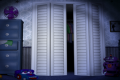
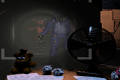

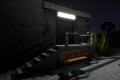
Breakout Baby is a first-person horror roguelike in which the player must help a baby escape from an underground structure. The route passes through dark mazes inhabited by creatures called freaks. The story objective is to protect the child and reach the surface, but the game focuses on survival rather than dialogue or cutscenes. A fatal mistake ends the current attempt for both characters.



Breakout Baby
Advertisement
Advertisement
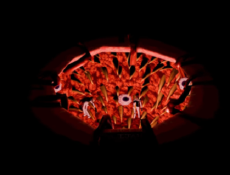
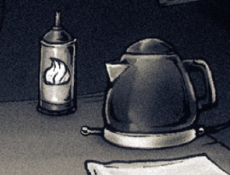
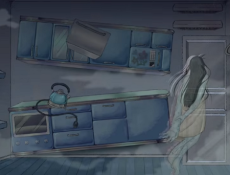
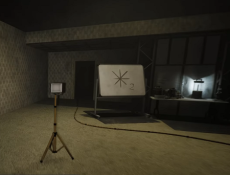
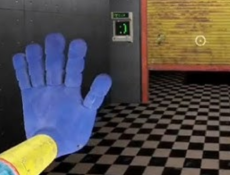
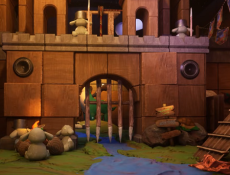


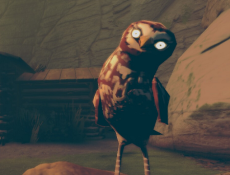
Breakout Baby is a first-person horror roguelike in which the player must help a baby escape from an underground structure. The route passes through dark mazes inhabited by creatures called freaks. The story objective is to protect the child and reach the surface, but the game focuses on survival rather than dialogue or cutscenes. A fatal mistake ends the current attempt for both characters.
Clearing the Floors
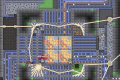
Each floor is a maze containing pellets, enemies, items, and an exit. Every pellet must be collected before the next floor becomes accessible. Collecting them creates noise that attracts freaks, making exploration more dangerous. The roguelike structure changes the experience between attempts, while death removes the progress made during the current run.
Using the Baby to Survive
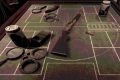
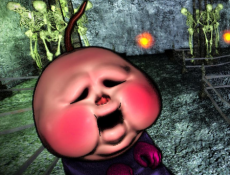
The baby is also a source of information. Watching it and shaking it awake can reveal nearby enemy positions, helping the player select a safer corridor. Characters encountered during the escape can upgrade abilities, while gifts and baby supplies provide effects that may improve the chances of completing a floor.
Useful objects and actions include:
- collecting rattles, pacifiers, iPads, and other supplies;
- using Go-Go Juice when additional help is required;
- shaking the baby to detect nearby threats;
- accepting ability upgrades from characters;
- planning routes that avoid dead ends.
Freaks patrol the mazes, pursue the player, and attack at close range. Direct combat is not the main solution, so survival depends on maintaining distance, listening for threats, remembering intersections, and deciding when to collect noisy pellets. Turning a corner without checking can place the player in an enemy’s path. Items provide more options, but movement and knowledge of the maze remain important.
Escaping to the Surface
To play, explore from a first-person view, collect every required pellet, monitor the baby, and find the exit after it opens. Identify alternative paths before attracting enemies and use supplies when a chase becomes difficult. Progress continues from floor to floor, with later areas requiring faster reactions and more careful planning. Reaching the surface completes the escape, while failure begins another run.
Comments (0)


2026
