












Trees Hate You is an indie platform game focused on traps, sudden failures, and unpredictable environmental attacks. The game places players inside a forest that behaves more like a living obstacle course than a natural location. Every step forward feels dangerous because almost anything on screen can suddenly become a hazard.


Trees Hate You
Advertisement
Advertisement

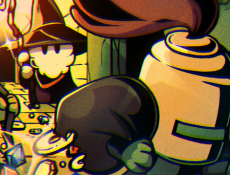
Trees Hate You is an indie platform game focused on traps, sudden failures, and unpredictable environmental attacks. The game places players inside a forest that behaves more like a living obstacle course than a natural location. Every step forward feels dangerous because almost anything on screen can suddenly become a hazard.
The basic objective is simple: move through the forest and survive. However, the game constantly interrupts that goal with hidden traps, collapsing paths, and aggressive environmental tricks. Instead of fighting traditional enemies, players spend most of their time reacting to attacks coming from the forest itself.
This unusual design gives the game a very different feeling compared to normal platformers. Most games teach players to recognize safe areas and dangerous areas clearly. Trees Hate You does the opposite. Safe-looking places are often traps, while dangerous-looking situations may actually be harmless distractions.
Main Features Players Notice Quickly
The gameplay is built around several key ideas:
- Unexpected environmental attacks
- Trial-and-error progression
- Short but difficult stages
- Minimal controls and fast movement
- Humor mixed with frustration
Because of this structure, the game becomes more about adaptation and memory than pure platforming skill.
Learning the Rules of the Forest
One of the first things players realize is that Trees Hate You does not care about fairness in a traditional sense. The game wants players to fail. In many cases, traps appear so suddenly that avoiding them on a first attempt is nearly impossible.
Instead of punishing failure heavily, the game uses quick respawns and short sections to encourage repeated attempts. Every death becomes part of the learning process. Over time, players begin recognizing patterns and understanding how the forest behaves.
Movement mechanics stay very simple throughout the game. Players run, jump, and avoid obstacles using standard platform controls. The difficulty comes entirely from the environment and its unpredictable behavior.
At first, players often move confidently through levels. After several surprise attacks, that confidence disappears. The forest trains players to slow down, observe carefully, and expect danger from every direction.
Traps Designed to Surprise
The strongest part of Trees Hate You is its trap design. The game constantly creates situations where the player thinks they understand the level, only for the environment to suddenly change.
A stable-looking platform may collapse under pressure. A harmless branch can swing downward without warning. Even empty spaces may hide invisible triggers that activate traps nearby.
Types of Hazards Found in the Game
During gameplay, players commonly encounter:
- Falling trees and branches
- Hidden spikes under leaves
- Rolling objects triggered by movement
- Fake safe zones
- Sudden terrain collapse
These hazards often appear in combinations, creating chain reactions that are difficult to predict.
The game also enjoys misleading players visually. Certain areas appear intentionally safe so that players lower their guard before another trap activates. This design keeps tension high even during slower moments.
Why the Game Works So Well Online
Trees Hate You became popular partly because it creates strong reaction moments. The gameplay is unpredictable enough that players frequently panic, laugh, or get frustrated in dramatic ways. This makes the game very effective for streaming and video content.
Viewers do not need much context to understand what is happening. A player walks into a forest, something absurd suddenly attacks them, and the reaction becomes entertaining instantly. This simplicity helped the game spread across social media and livestream platforms.
Reasons the Game Became Popular
Several factors contributed to its online success:
- Easy-to-understand gameplay
- Unexpected death sequences
- Fast pacing with little downtime
- Funny reactions during failure
- Short clips that work well on social media
The game’s structure naturally creates moments people want to share.
Another reason for its popularity is replay value. Since players fail often, every new attempt creates different situations and reactions.
Visual Style and Atmosphere
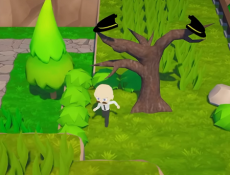
The graphics in Trees Hate You are relatively simple, using a colorful 2D style with cartoon-inspired environments. The game does not aim for realism. Instead, the visuals are designed to keep gameplay readable while still creating tension.
The forest areas contain repeating natural elements such as bushes, rocks, and tree lines. However, because the environment itself is dangerous, these decorative objects become psychologically important. Players eventually begin treating every visual detail as a possible threat.
Sound design also plays a role in building tension. Quiet moments often make players feel temporarily safe before another sudden attack interrupts the scene.
Progression and Increasing Difficulty
The game gradually introduces more complicated hazards as players move deeper into the forest. Early levels focus on teaching basic trap behavior. Later sections combine multiple dangers together and reduce the amount of safe space available.
Some areas require careful timing, while others depend almost entirely on memory and observation. The difficulty increase feels consistent because players slowly learn how the game thinks.
Later Stages Introduce
- Faster trap activation
- Smaller platforms and movement spaces
- More environmental distractions
- Longer hazard combinations
- Reduced reaction time for avoiding attacks
These changes make later sections far more stressful than the beginning of the game.
A Balance Between Comedy and Frustration
Many rage games become exhausting after repeated failure, but Trees Hate You avoids this by keeping the tone playful. The game clearly understands that players will die constantly, so it treats those deaths as entertainment instead of punishment.
This balance is important. Without humor, the game could feel unfair in a negative way. Instead, players often continue because they want to discover the next ridiculous trap waiting ahead.
Comments (0)
2026
