
















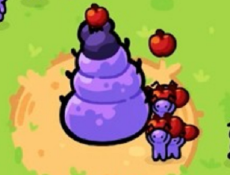
Feed the Queen places players in charge of a colony whose primary purpose is to support and nourish its queen. The game combines incremental mechanics with resource management, requiring players to build production networks that can sustain continuous growth. Every stage of progression introduces new challenges, larger food requirements, and additional systems that must be carefully managed. The colony starts small, but over time it develops into a complex structure with specialized workers, advanced technologies, and multiple resource chains.



FEED THE QUEEN
Advertisement
Advertisement










Feed the Queen places players in charge of a colony whose primary purpose is to support and nourish its queen. The game combines incremental mechanics with resource management, requiring players to build production networks that can sustain continuous growth. Every stage of progression introduces new challenges, larger food requirements, and additional systems that must be carefully managed. The colony starts small, but over time it develops into a complex structure with specialized workers, advanced technologies, and multiple resource chains.
Creating a Functional Workforce
One of the first tasks is establishing an effective workforce. Workers are not identical units; each type performs a specific job within the colony. Some gather resources directly from the environment, while others transport materials, process ingredients, or assist with production. Because every activity depends on another part of the chain, players must pay attention to how workers are distributed across different tasks.
Food serves as the most important resource in the game. Various food types can be produced using different ingredients and processing methods. Each food item has its own nutritional value and characteristics, which can influence the colony’s development. As demand increases, players need to expand production capacity and improve logistics to keep resources moving efficiently.
Improving the Colony
Progress is tied to a range of upgrade systems that gradually unlock as the colony evolves. New technologies improve production rates, unlock additional food options, and provide access to more advanced mechanics.
The game includes several important features:
- Specialized worker creation
- Food production and processing
- Resource transportation systems
- DNA-based talent progression
- Brain Matter upgrades
- Evolution milestones
Combining these systems effectively becomes increasingly important as the colony expands.
Unlocking New Possibilities
Brain Matter functions as a rare resource used to purchase powerful improvements. Since it is limited, players must decide which upgrades are worth investing in first. This encourages planning and allows different colonies to develop in different ways depending on the player’s priorities.
DNA points are earned through progression and can be spent in a genetic talent tree. These talents provide bonuses that affect production, resource gathering, food efficiency, and other aspects of colony management. Players can shape their colony around different strategies by choosing specific upgrades and combinations of talents.
Comments (0)


2026
